


Boconnoc is home to one of Cornwall’s most remarkable collections of ancient and veteran trees, living monuments that support an extraordinary web of wildlife, fungi, lichens and plant life.
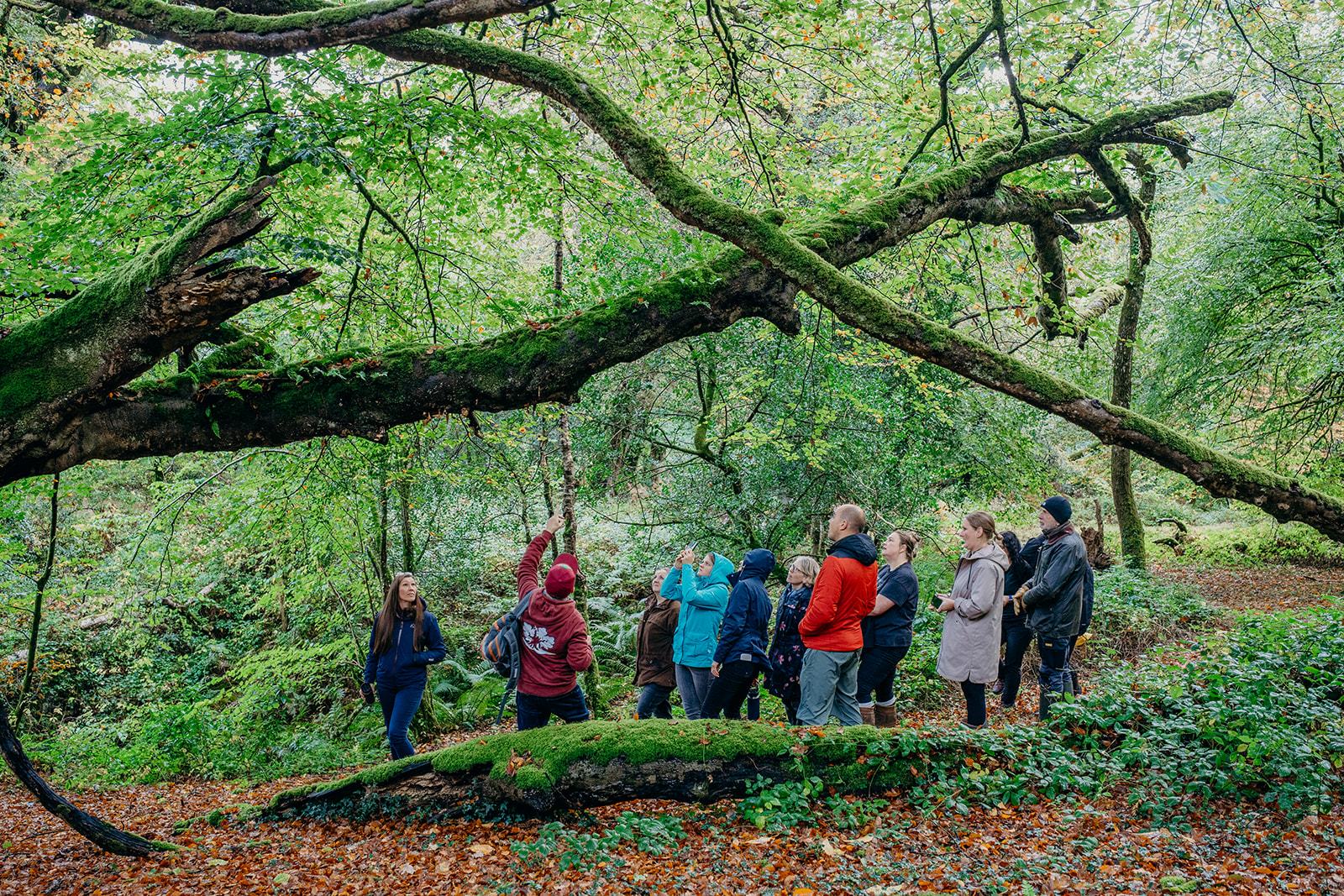
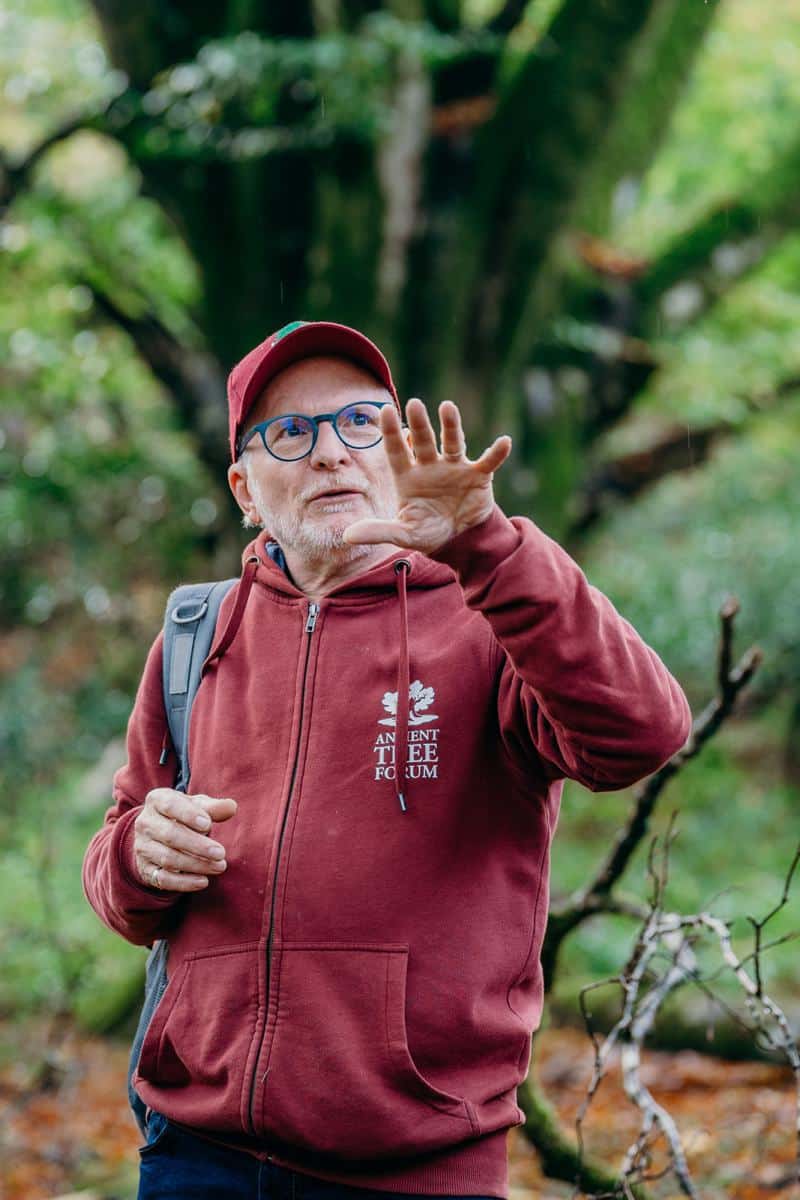
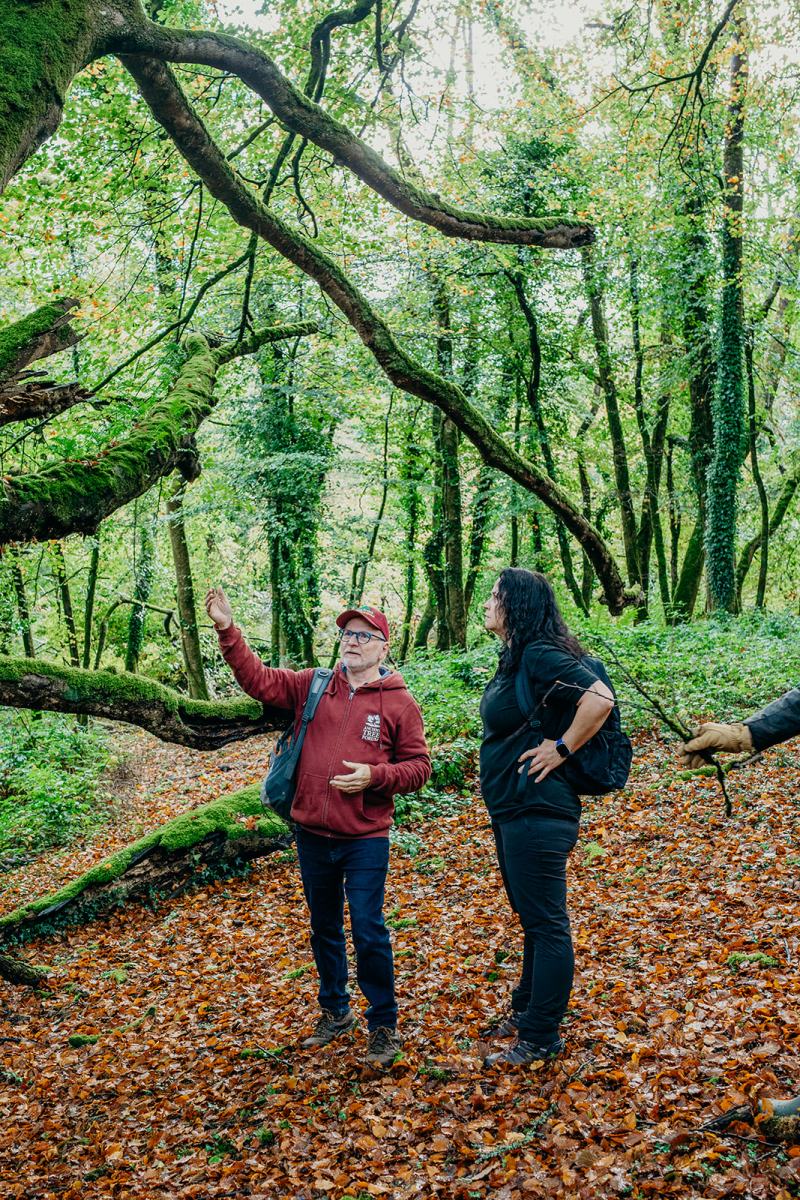
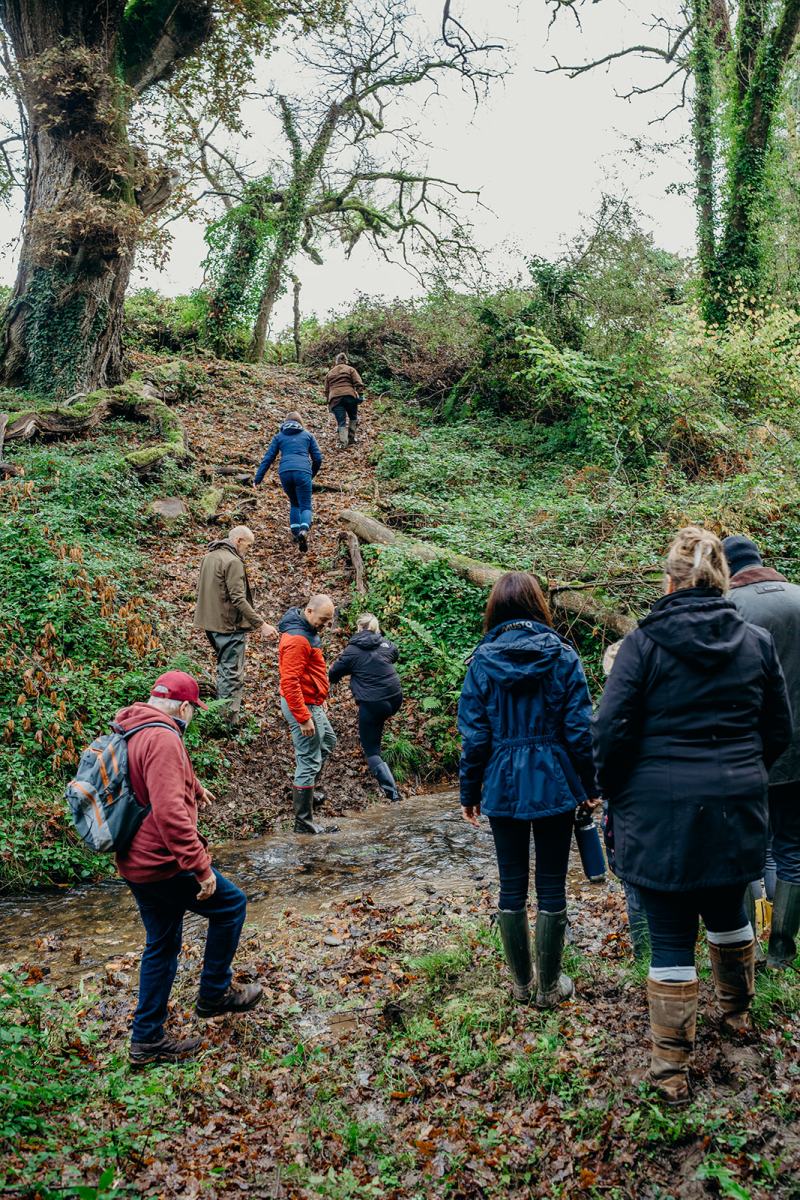
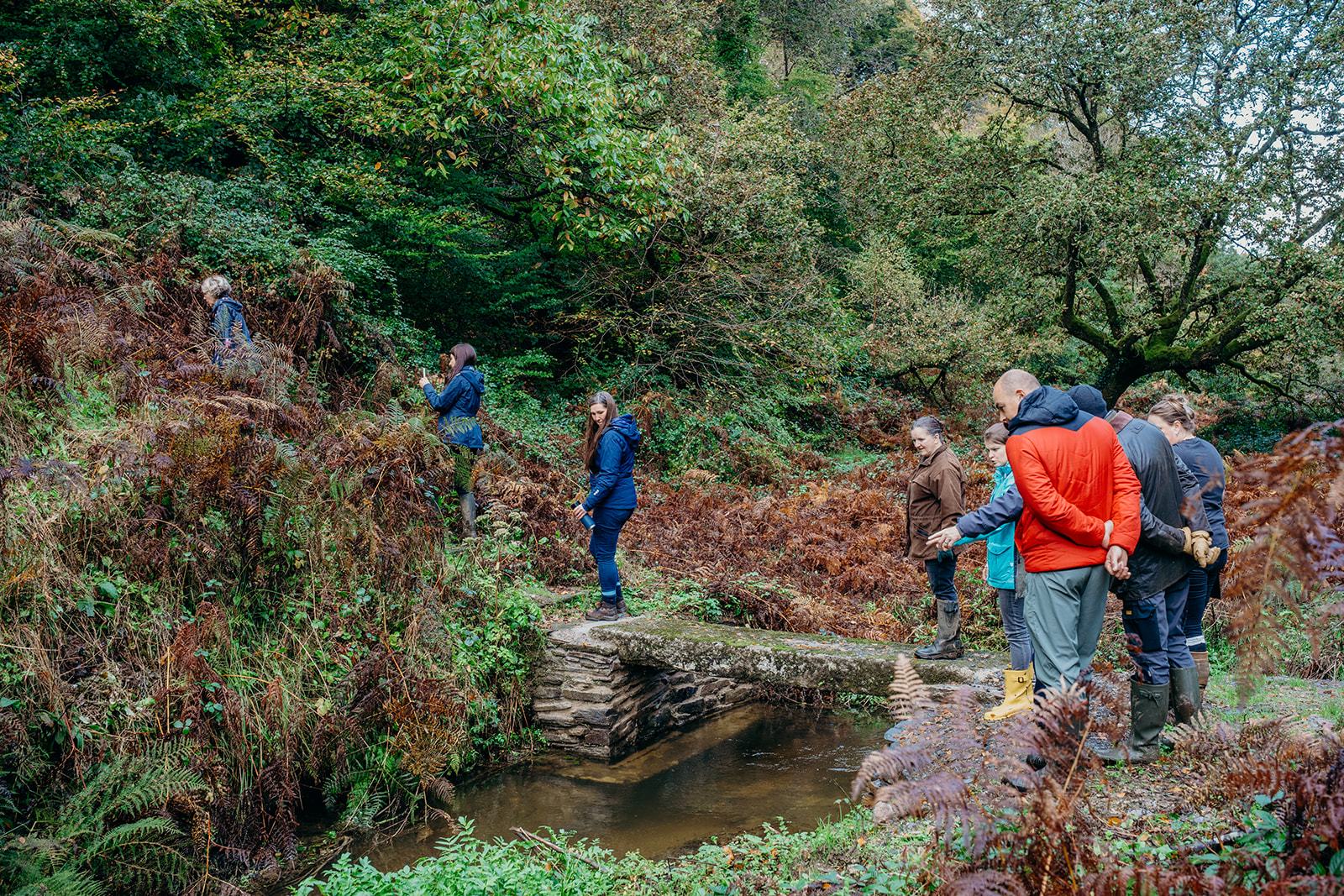
Caring for this precious natural heritage is a long-term commitment shared by the Boconnoc estate team, alongside specialist ecologists, conservation organisations and dedicated volunteers. Recently, Tim Kellett of the Ancient Tree Forum joined the Boconnoc team for a discovery walk through the estate’s woods and parkland. The walk told the hidden stories, the ecological value, and the deep history held within these extraordinary trees. Following the walk, Tim sat down with us to answer our questions and share his expert insight into why ancient trees matter, what makes Boconnoc so special, and how careful stewardship today will protect these landscapes for centuries to come.
Tim, for those who may not know, what defines an “ancient tree,” and why are they so important to woodland ecology?
An ancient tree is one of the oldest of its species. Some species are ancient at different ages; for instance, a birch would need to be around 150 years old, a beech 300 years, an oak 400 years, and a yew (the oldest living of our native species) a staggering 800 years old. It is not just about the age; ancient trees have developed incredible habitats for hundreds of other species, some of which grow only on trees that have been there for centuries. Fungi, invertebrates, bryophytes, lichens, other plants, birds, and mammals will find their homes on these incredibly old trees. Of course, any tree that is incredibly old could also have great cultural and historical links to the people who lived and worked with it in the past; this is also part of the legacy of our ancient trees.
During our team discovery walk, we encountered some remarkable trees. What makes Boconnoc’s ancient trees and woodlands unique within Cornwall?
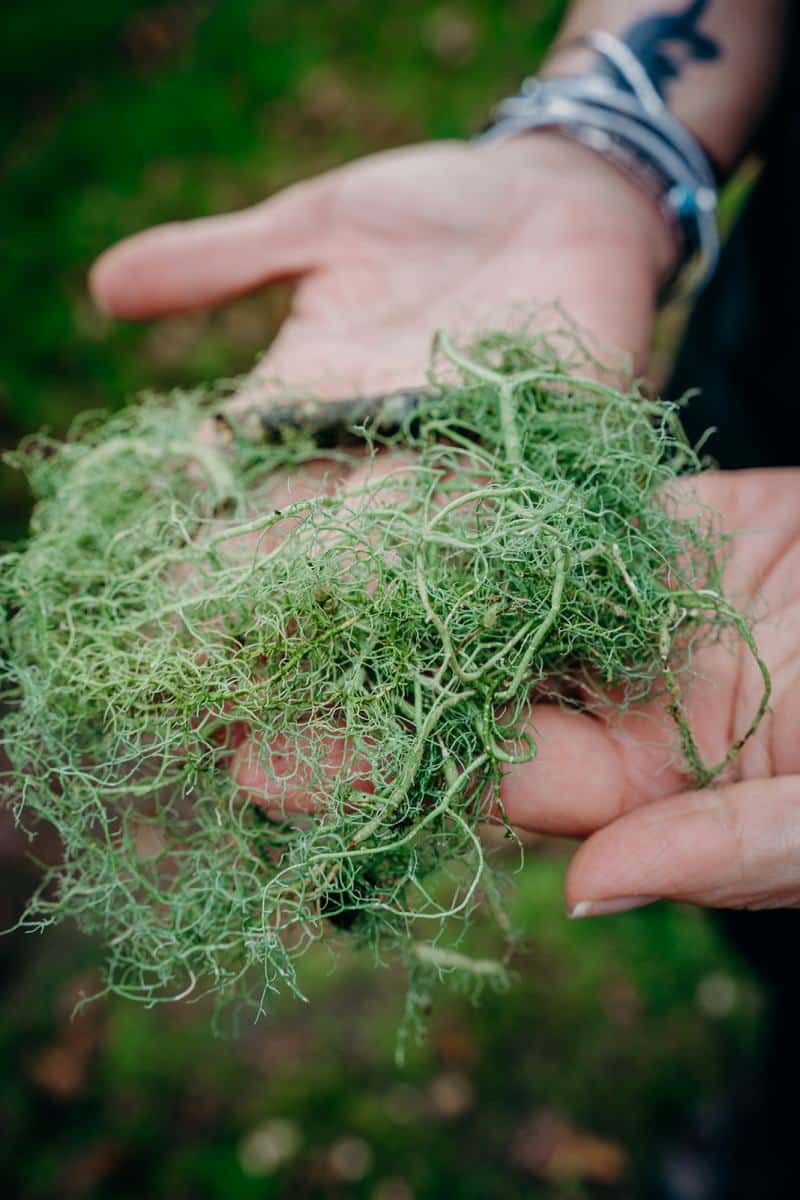
Boconnoc has more ancient and veteran trees than any other site in Cornwall. They are held within special landscapes that we know to be incredibly old, including the ancient deer park dating back to 1394. These landscapes and trees provide significant habitat for many associated species, including lichens, for which Boconnoc is renowned and recognised in its SSSI status. The number and rarity of invertebrate species at Boconnoc are gradually increasing as more surveys are completed.
Boconnoc has a long and layered history dating back centuries. How do ancient trees help us understand the historical evolution of estates like Boconnoc?
There is usually a reason ancient trees have survived in a place for so long. They may have been managed or worked by the local population for an economic benefit, such as coppicing, pollarding, or timber for mining or shipbuilding. However, in some landscapes, the trees may have been protected by designation, such as a royal forest or deer park, under the auspices of the King, Earls, or estate owners. Boconnoc has had a special history since a deer park was established in the fourteenth century, protected by a “park pale” or continuous bank and ditch.
Can you share a standout moment from the walk?
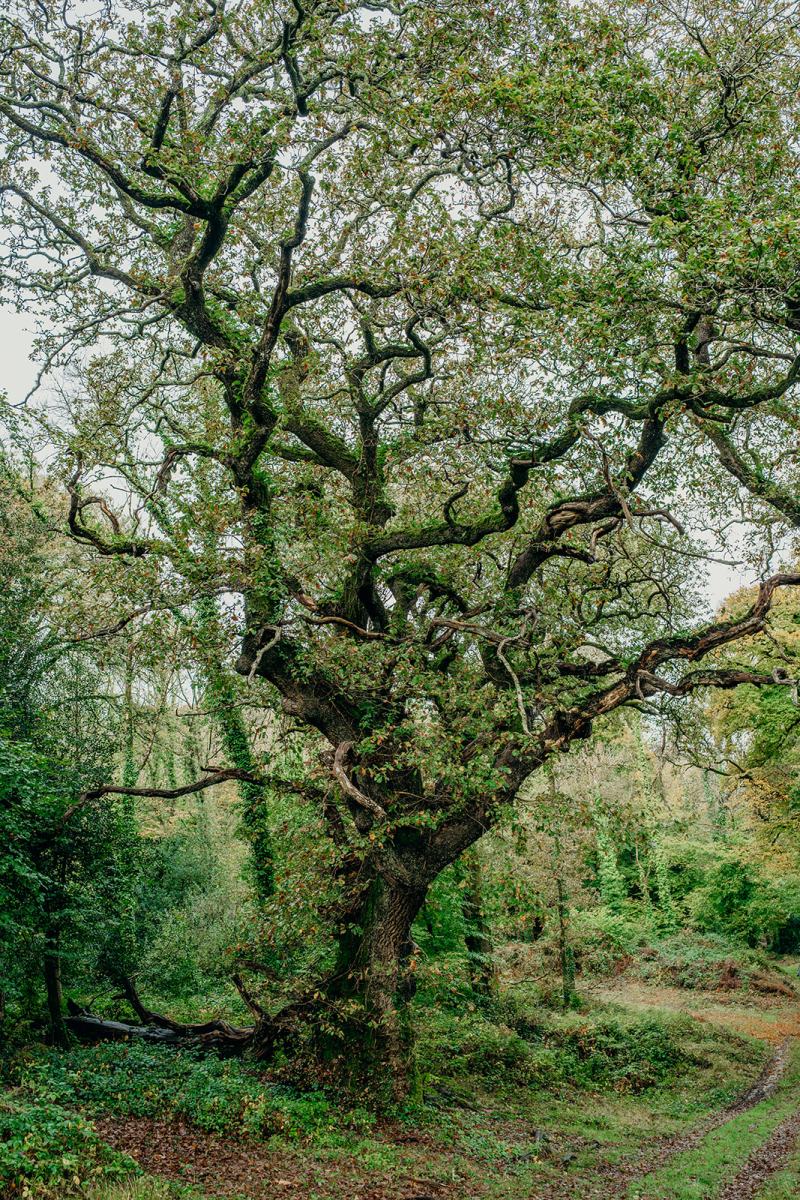
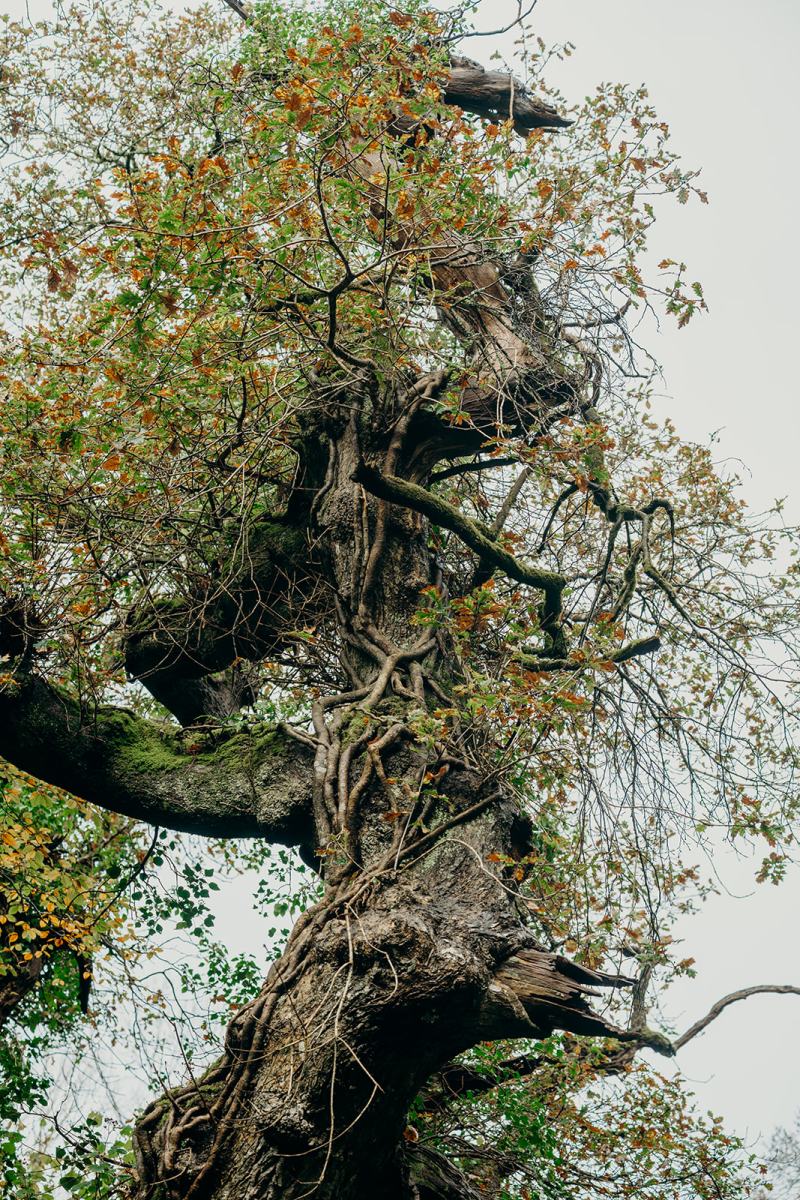
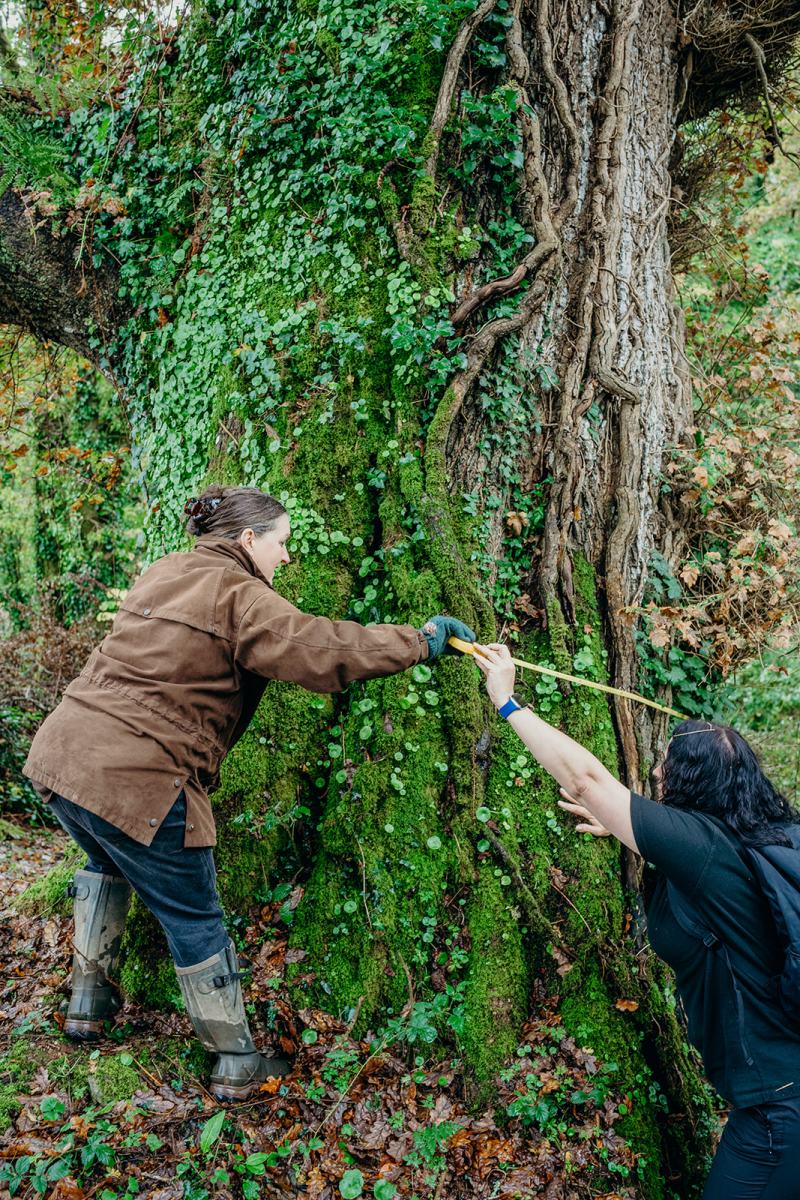
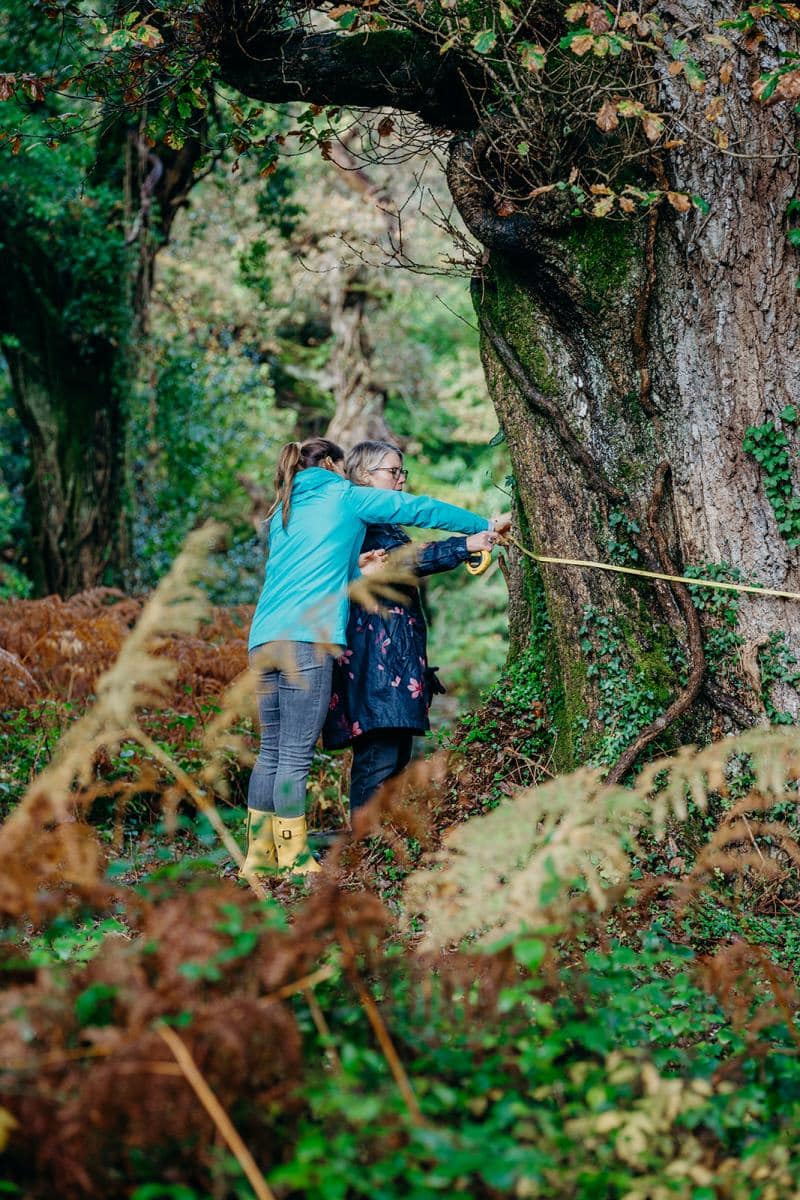
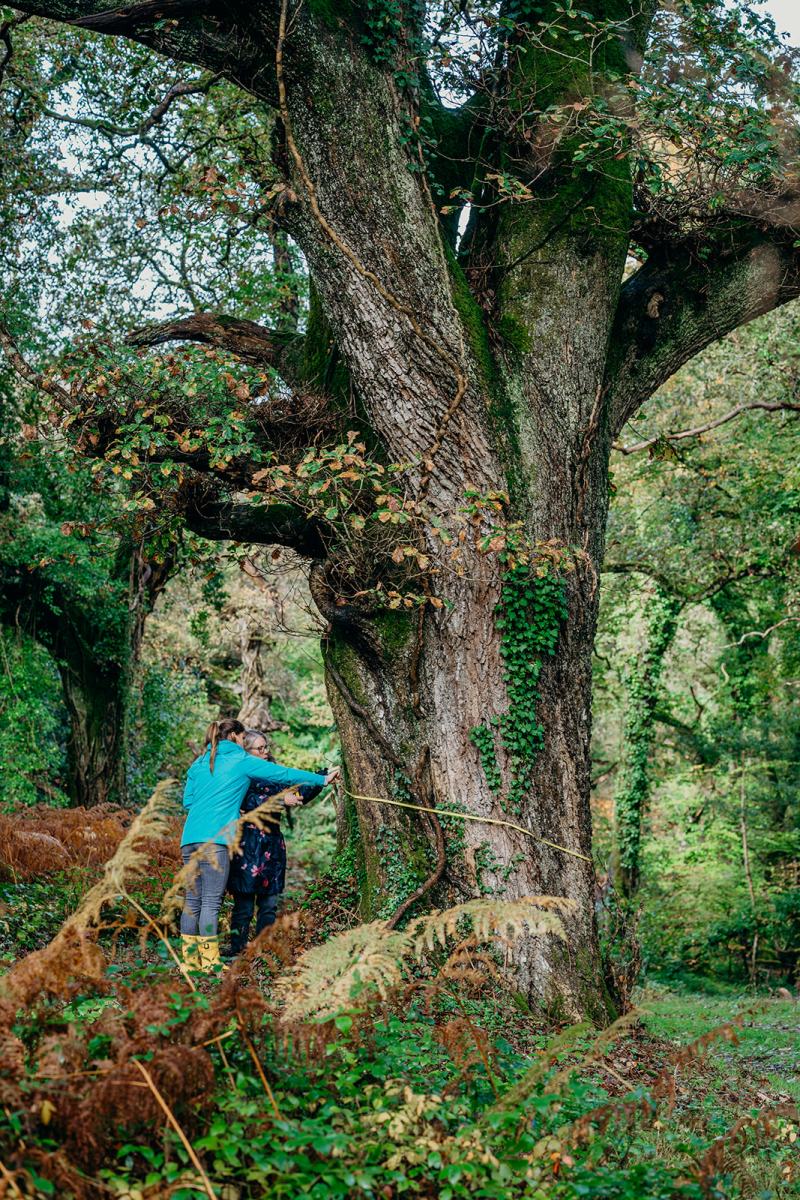
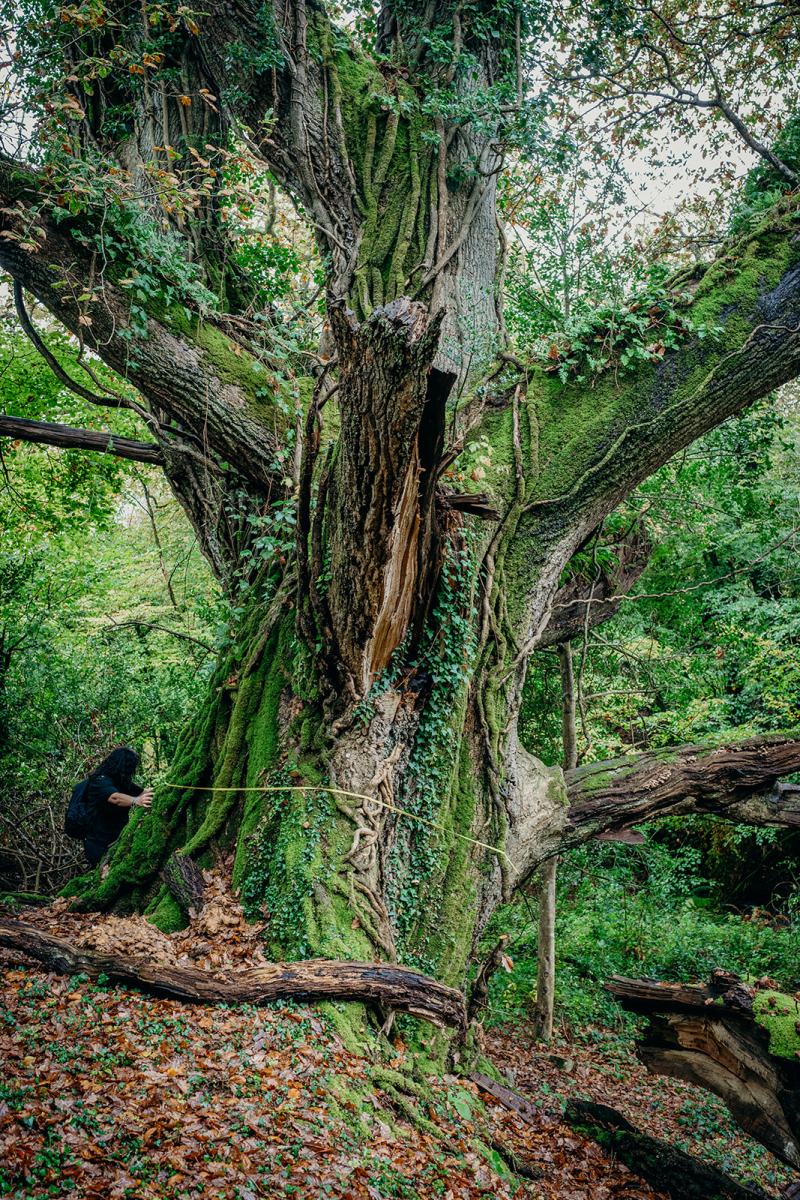
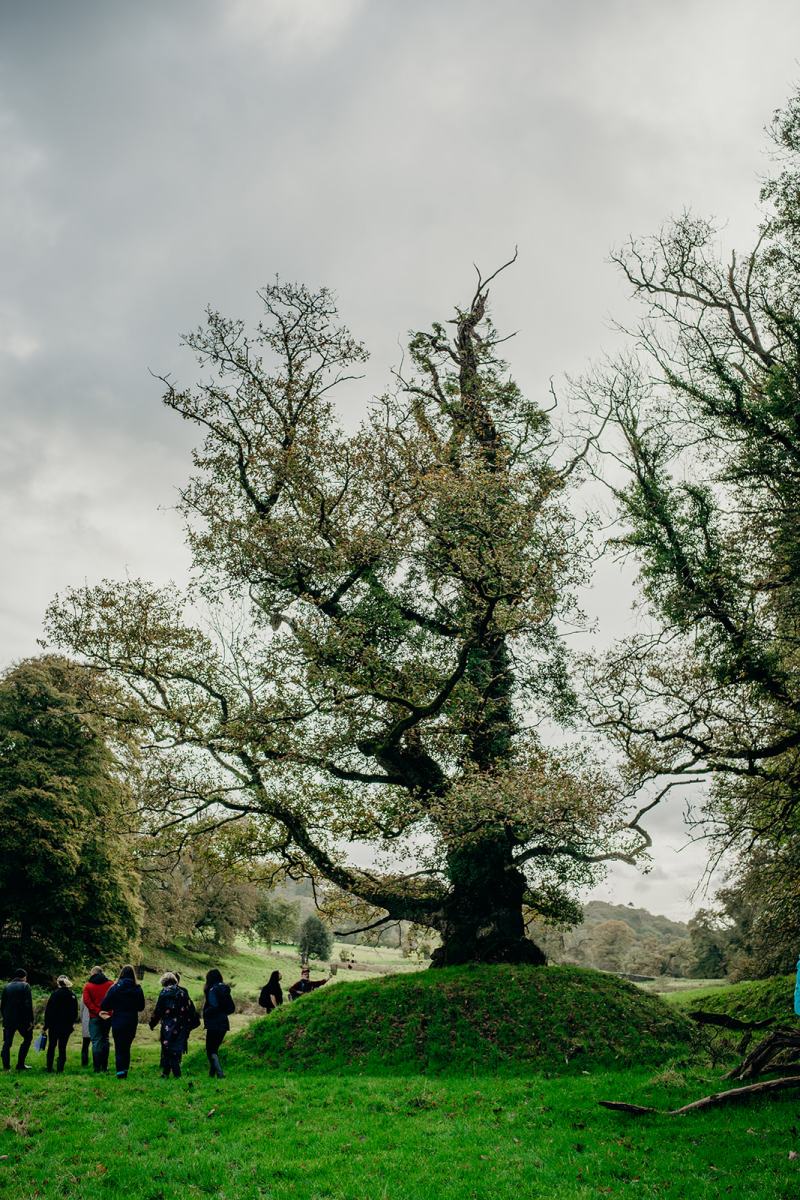
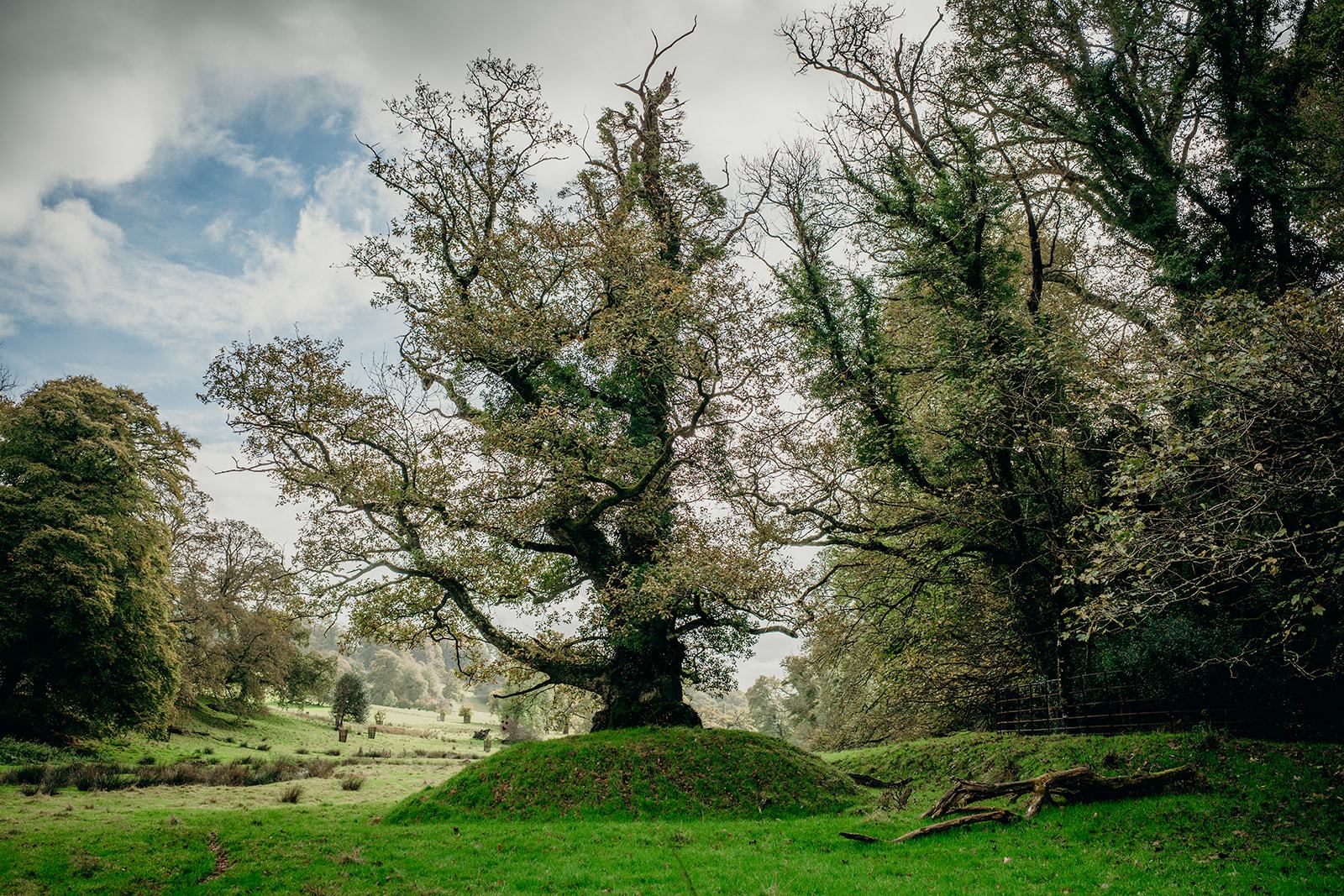
We visited an old oak with a girth of 7.95m sitting on top of the steep bank that formed the original park pale of the medieval deer park. While it is hard to determine a tree’s age without cutting and counting its rings, there is a good chance this tree grew shortly after the deer park was created in 1394. It is the oldest oak we have found in the estate so far, and a wonderful piece of Boconnoc’s history.
Many of Boconnoc’s trees sit within old parkland, ancient woodland pockets, and historic avenues. How do these different habitats support wildlife differently?
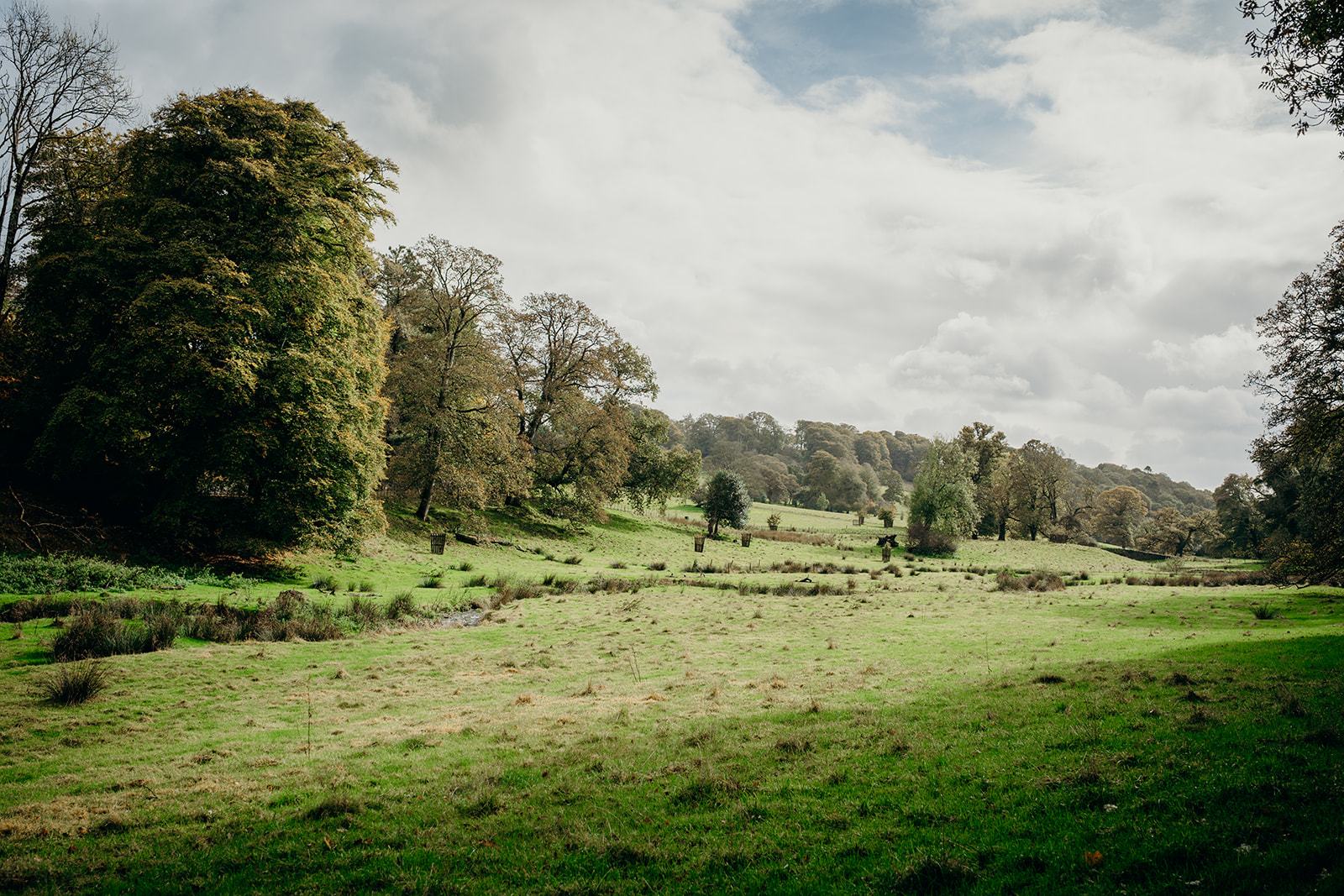
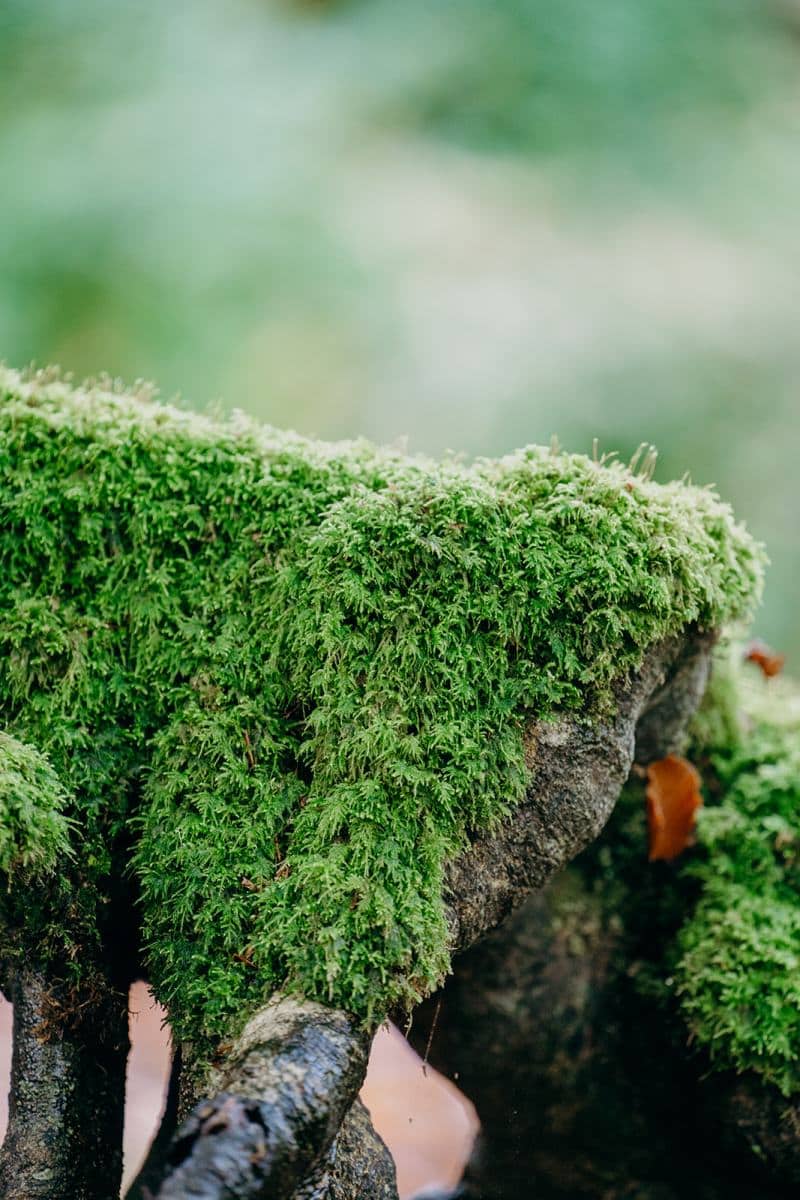
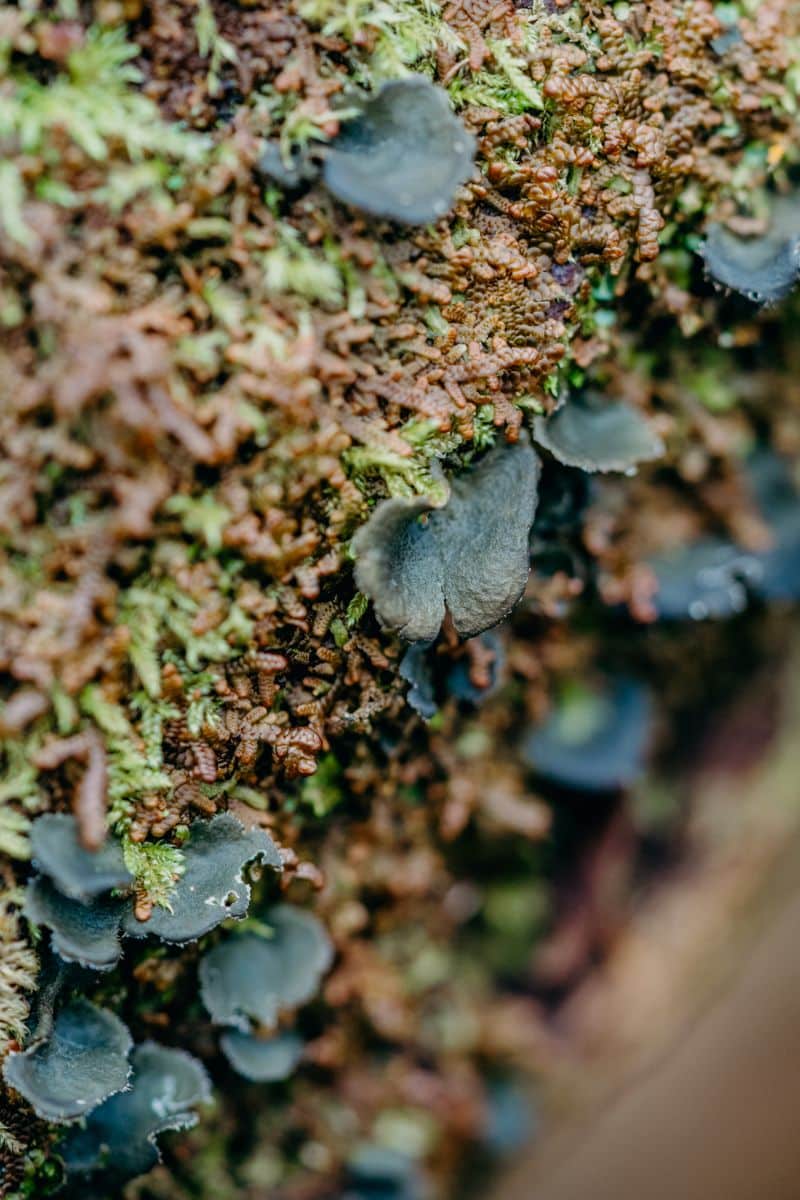
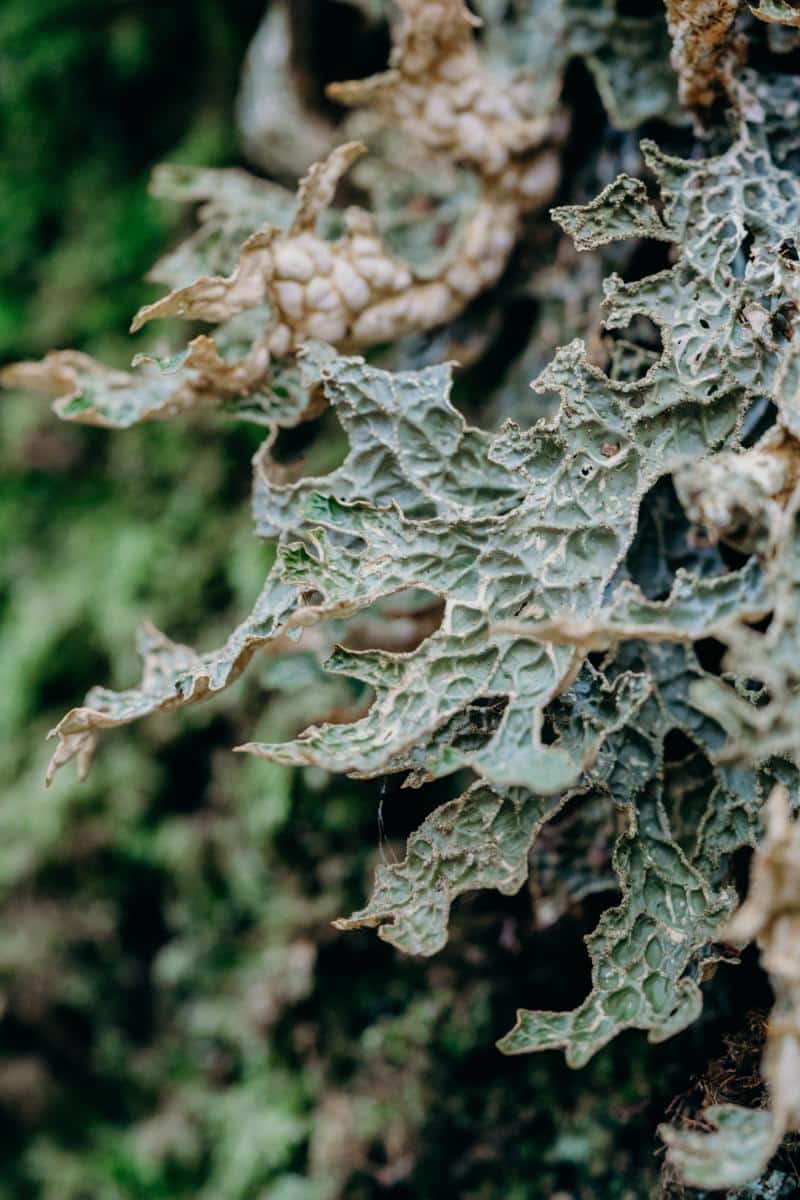
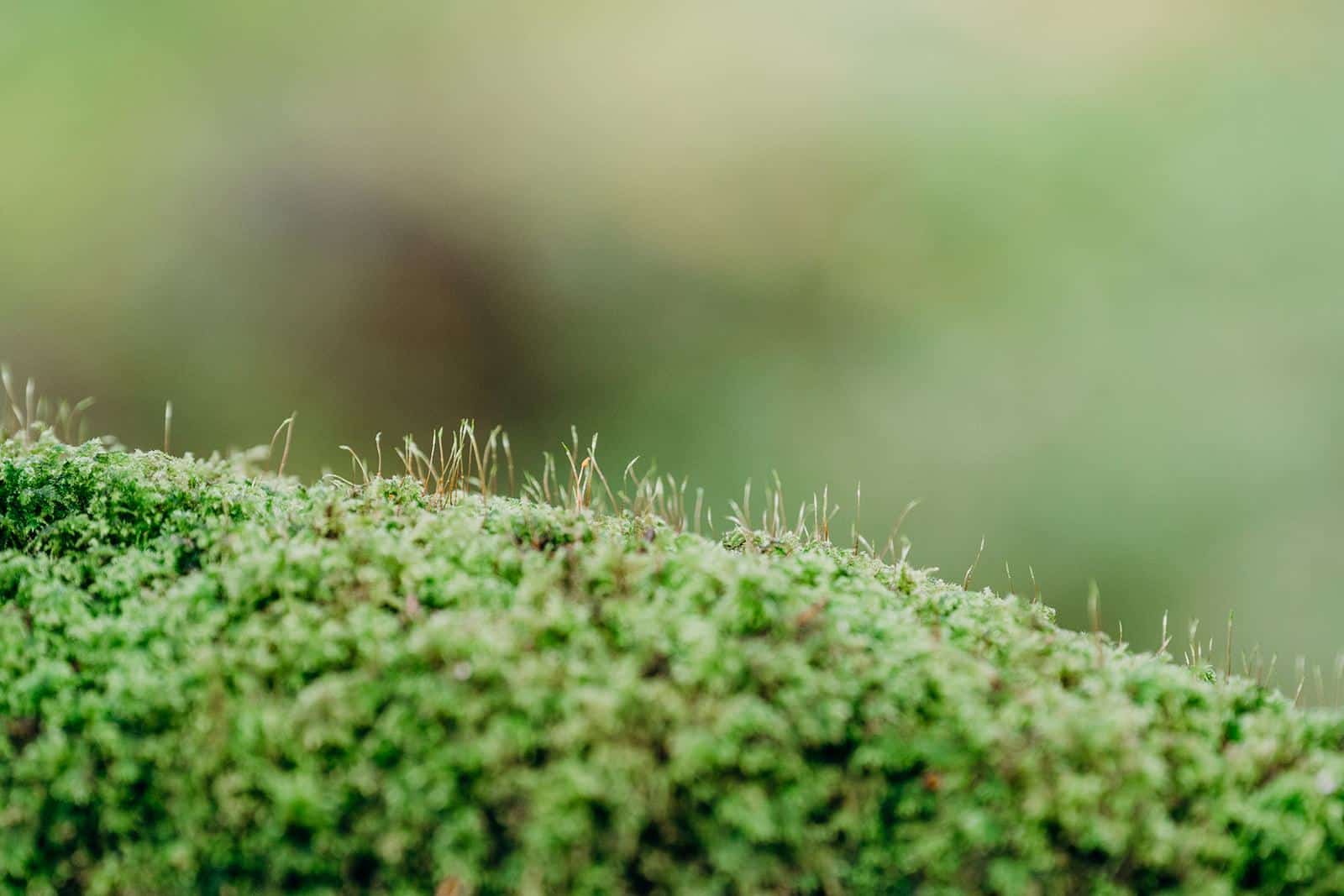
Old parkland, deer parks, and wood pastures are usually areas with much more open space and individual or small groups of trees rather than dense woodlands. The more open spaces allow the key trees to spread their canopy more widely, with less competition for light, water and nutrients. These trees often live the longest, particularly if that open landscape has been protected by the owners for many centuries. A wood pasture means that grazing animals have been sharing the landscape and, if well managed, stop the area from becoming a dense woodland. The openness of the landscape means that certain tree species, such as the oak, can reach their maximum potential for age and habitat provision. This also creates ideal conditions for lichens and bryophytes, both of which are well represented in Boconnoc and are among the reasons it has been declared a Site of Special Scientific Interest (SSSI). Recent surveys of invertebrate fauna by Keith Alexander have shown that Boconnoc is the richest site for saproxylic (wood-decay) beetles in Cornwall (according to the Index of Ecological Continuity), with a total of 90 individual species recorded so far in the park.
What species of wildlife, plants, fungi, insects, bats, or birds depend particularly on ancient or veteran trees?
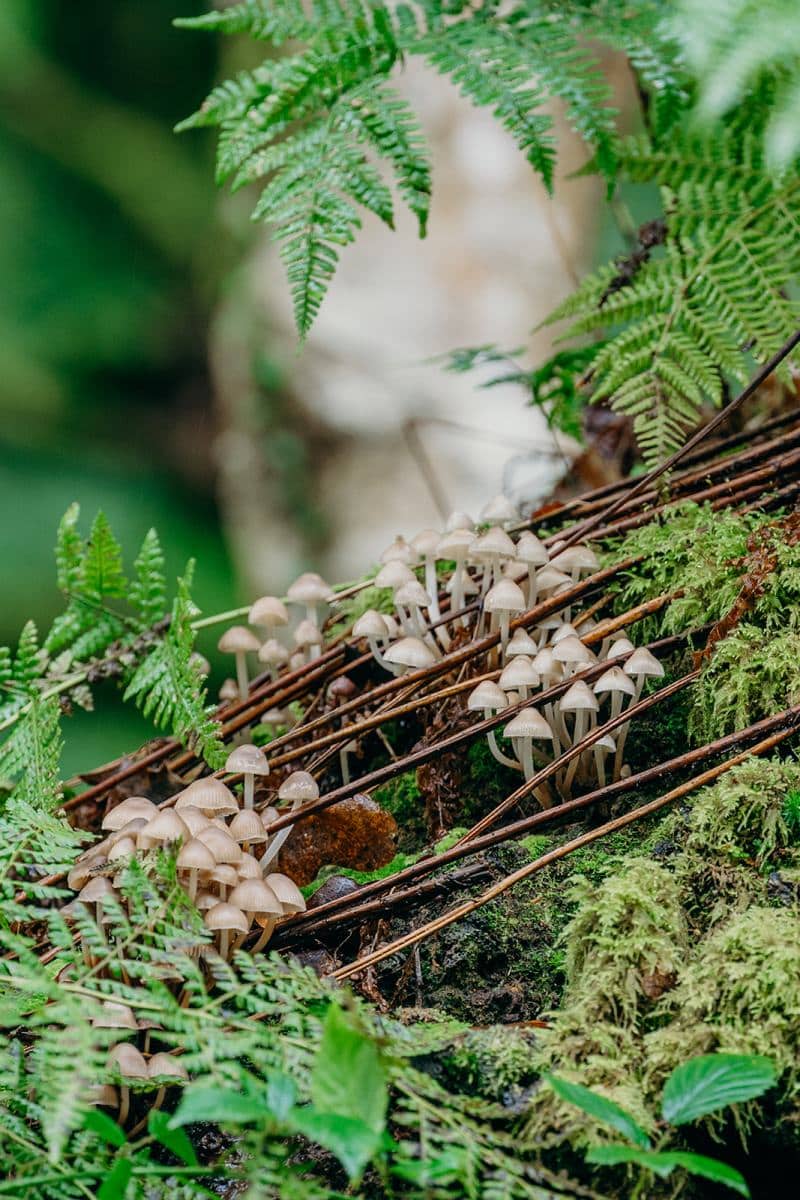
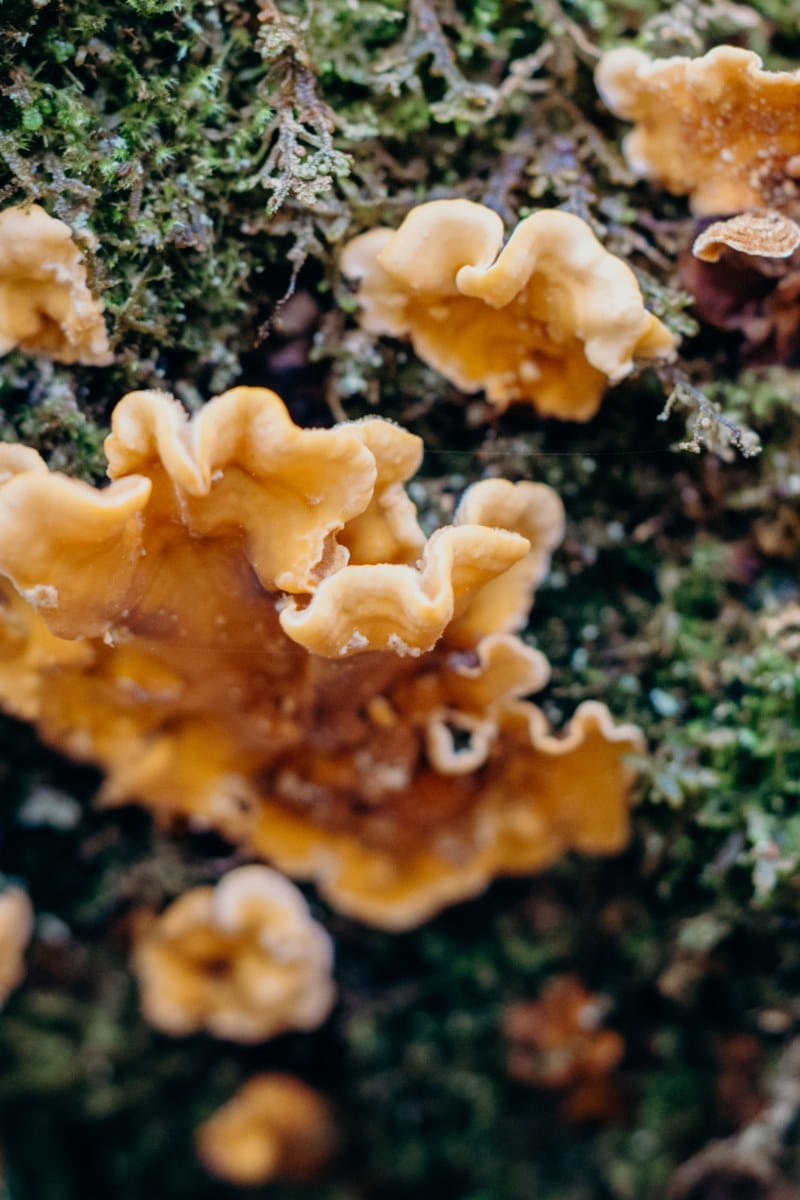
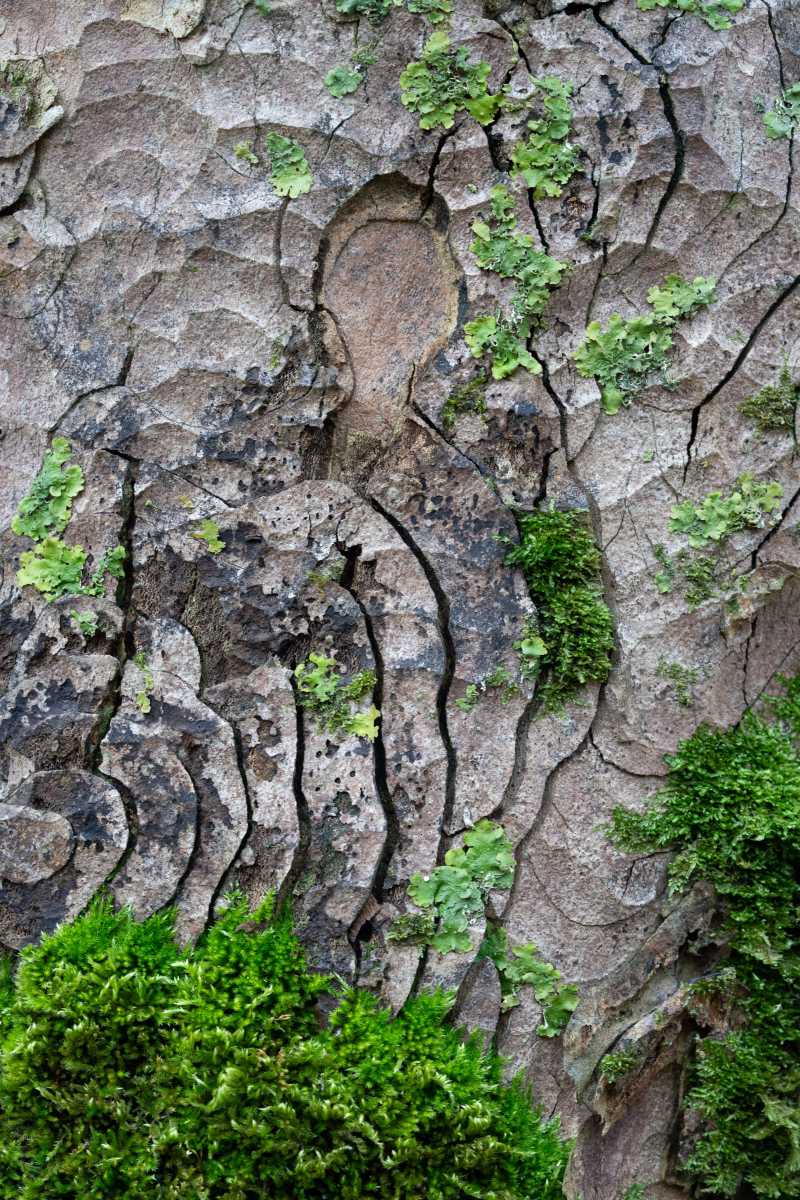
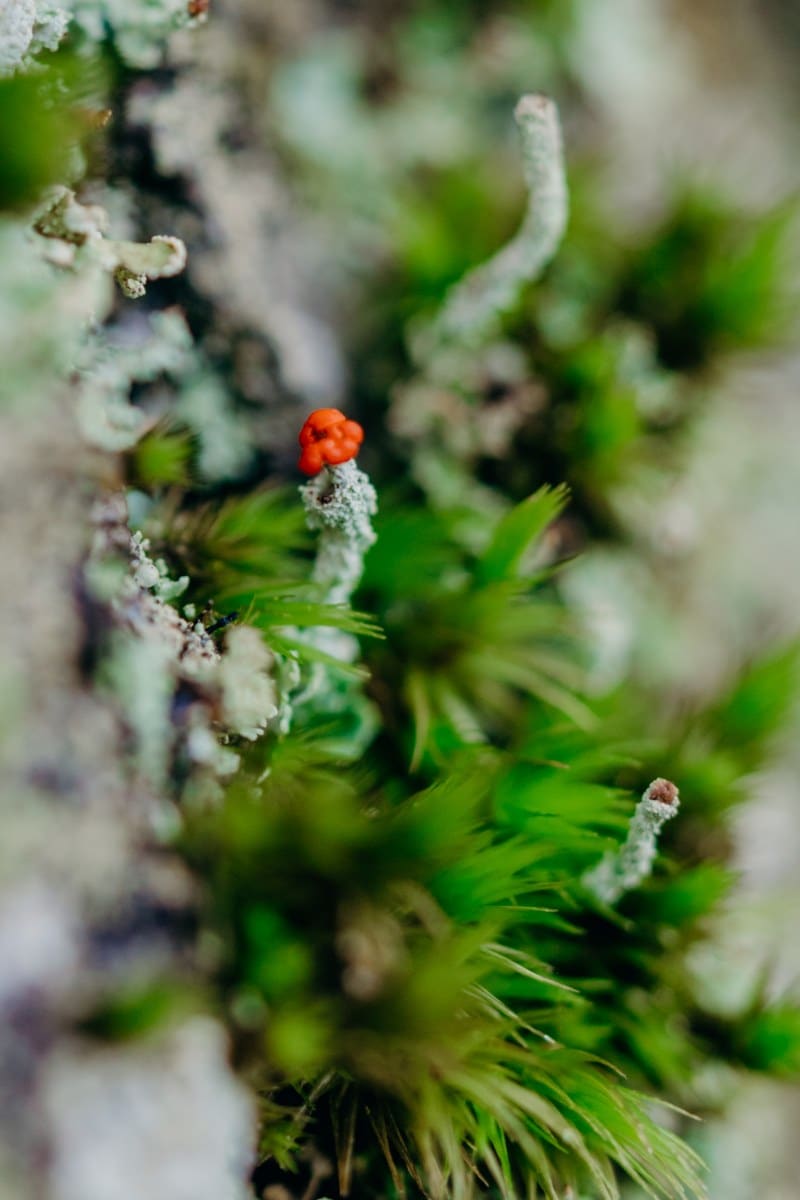
An ancient oak tree is a powerhouse of biodiversity, and can host over 2,300 different species of wildlife – fungi, bryophytes, ferns and other plants, birds, mammals, amphibians and reptiles, micro-organisms, and invertebrates. Fungi are decomposers, recycling wood in living or dead trees and are a natural part of their ageing cycle. Beefsteak fungus and Chicken of the Woods appear as colourful brackets when fruiting and decompose the deadwood in many trees, particularly the hollowing old oaks.
Other fungi are symbiotic, connecting to the tree’s roots and sharing carbohydrates, nutrients, and water between the two, such as the cep and the fly agaric. It is known that 2,000 different invertebrate species depend on decaying wood to complete their life cycles. Some of these are exceedingly rare and occur only in ancient trees at two or three sites, such as the chafer beetle (Gnorimus variabilis) and the violet click beetle (Limoniscus violaceus). A rove beetle (Quedius truncicola) has just been recorded at Boconnoc and has not been seen on any other site in Cornwall.
Ancient trees often show signs of age, such as hollow trunks or deadwood. Why are these ageing processes beneficial for the ecosystem?
Almost all ancient oaks have a hollow trunk, even if not visible to the eye. Many large branches will also exhibit deadwood. This is not a bad thing; it is part of the tree’s natural ageing process and may last for centuries in some species. It is part of the tree’s response to recycling dysfunctional wood and returning nutrients and energy to the soil. The central part of the trunk will cease transferring nutrients and water in the trees’ later years, leaving the newer outer rings to carry out this function.
Boconnoc is committed to nature recovery and sustainable estate management. What are the best practices for protecting ancient trees on estates like ours?
The best practice is to identify and record the older trees and those with high biodiversity value. Good management practice will include clearing any competing new growth around the tree to allow more light, especially around the oaks. This will encourage a much longer lifespan and a better habitat for lichens and bryophytes.
For visitors walking through Boconnoc’s woodland, what should they look out for if they want to spot an ancient or veteran tree?
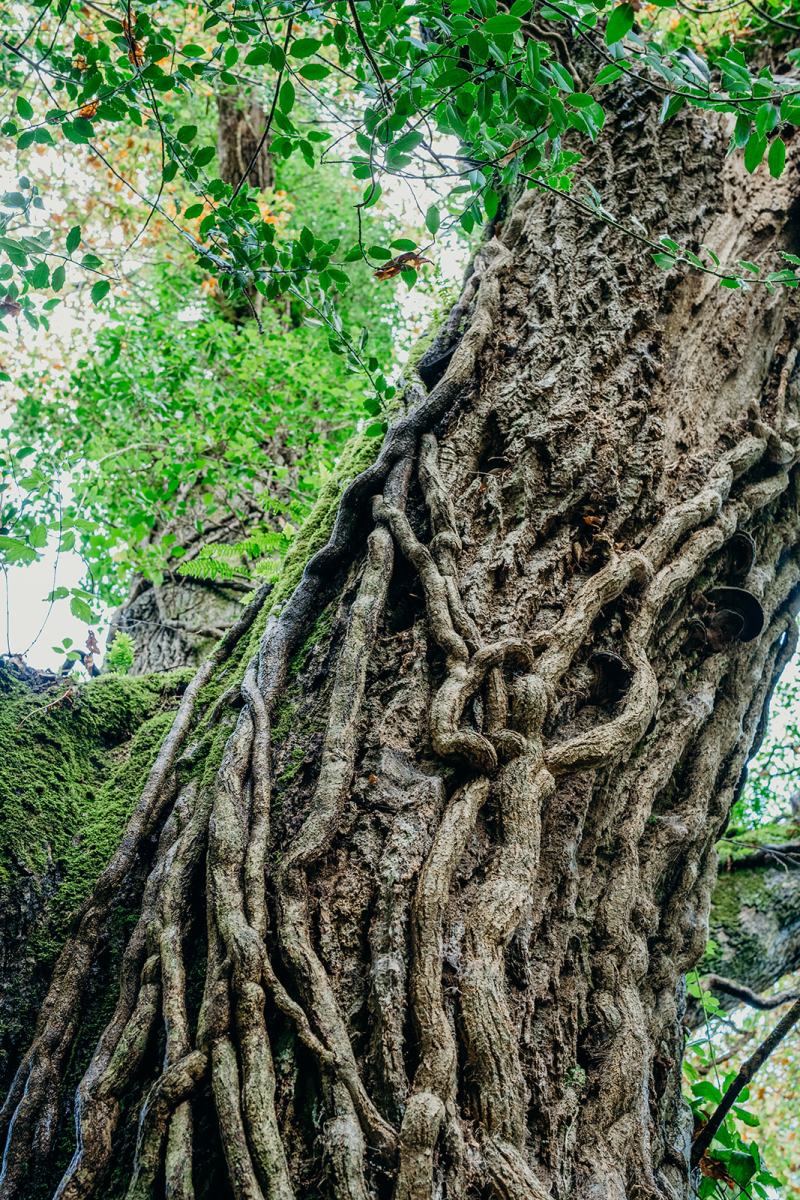
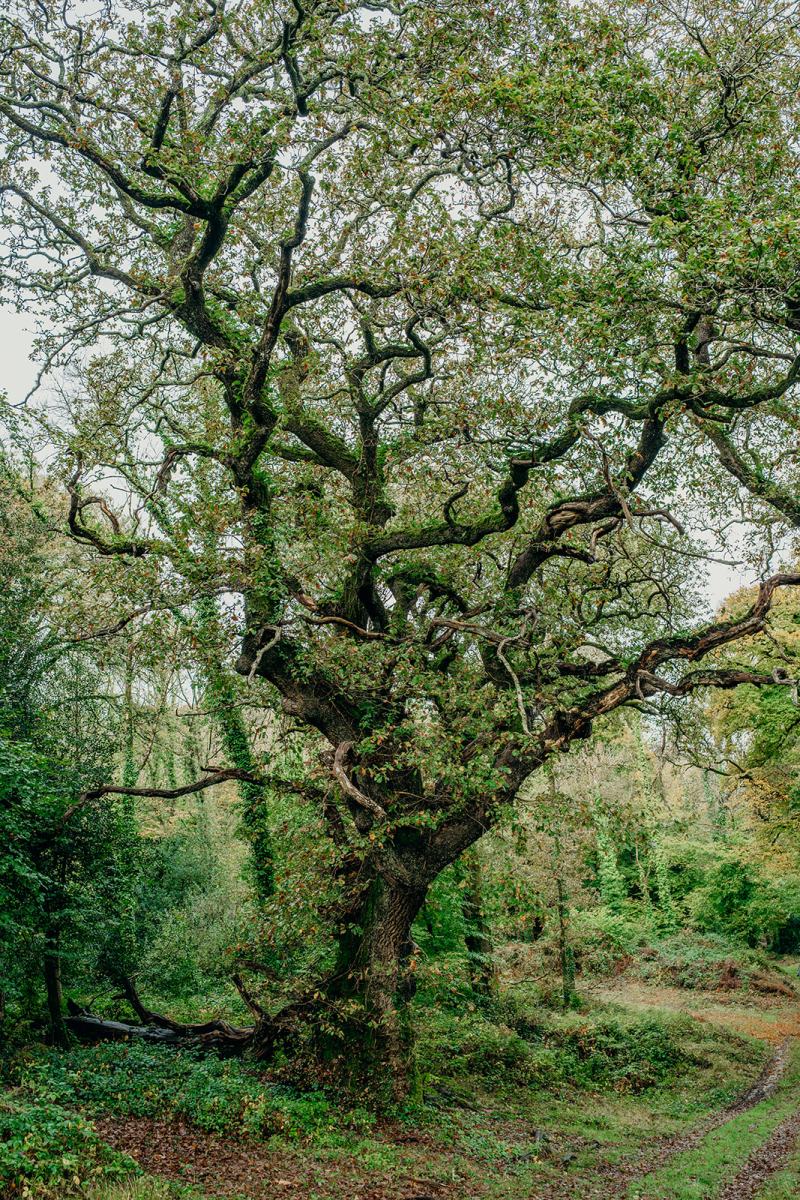
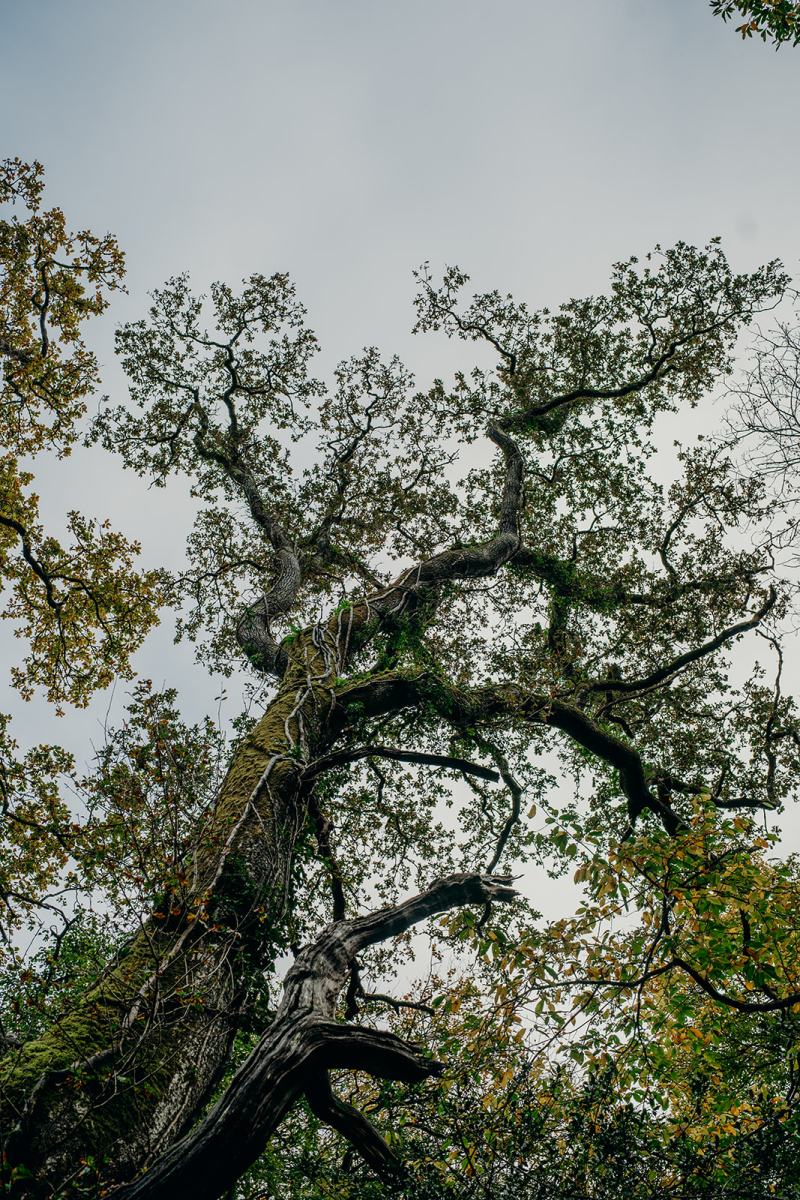
Ancient trees are the oldest of their species and have the highest wildlife value through their unique habitats. The key indicator of an ancient tree is its girth or diameter. It is impossible to be specific about age without a planting date or ring count, but we sometimes use girth measurements as one indicator of age. For example, a maiden oak in this location with a girth of more than 5.5m could be ancient. That means it is one of the oldest of its species and is thought to be over 400 years old. A more precise assessment would examine the tree’s form, species, historical management, and ground conditions. An ancient hawthorn or any tree growing in the uplands will be much smaller in girth. However, it has hollow trunks, gnarled bark, dead and hollow branches, and a wide range of habitats.
A veteran tree is a mature tree with significant visible deadwood, but it is not as old as an ancient tree. Primarily, this must include hollowing of the trunk or significant decayed heartwood. It could be indicated by other visual evidence, such as specific heart-rotting fungi.
You spoke on the walk about the importance of succession, ensuring we have the next generation of ancient trees. What does good succession planning look like in a landscape like Boconnoc?
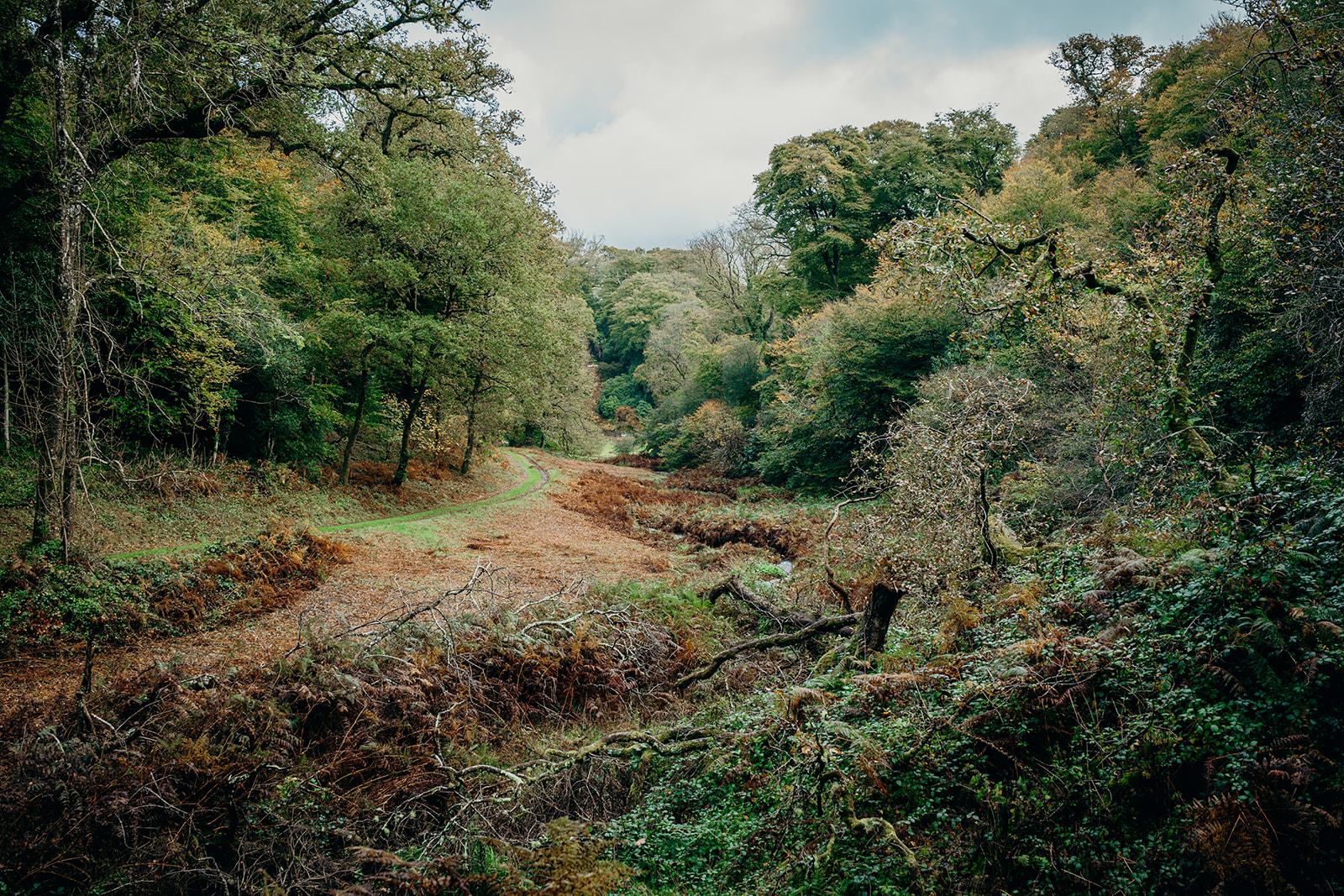
There are areas where trees have been cleared from the old deer park’s wood pasture to create open fields for farming. These could be restored to pasture with individual parkland tree planting. In other areas, newer plantations and the removal of grazing animals had led to dense woodlands with the loss of older trees, especially the older oaks. These could be improved by reintroducing browsing animals, such as small groups of cattle, and by thinning younger trees around the older species. Boconnoc has enough younger or middle-aged trees that could become future ancients, but these need to be selectively identified and cleared around to allow them to age well, creating those special habitats that can replace the ancients in time. In addition, “veteranisation” of some younger trees (artificially creating habitats by creating holes or revealing the heartwood) can enhance the deadwood habitat in the short term.
Many people are surprised by how long an ancient tree has been standing. What is the oldest tree you encountered at Boconnoc, and what signs reveal its age?
As mentioned before, the oldest and largest girth tree on the estate appears to be the 7.95m girth oak, sitting on the park pale. While we can’t be specific about its age without a ring count or planting date, we can estimate, based on its girth and form, that it could be 550-650 years old. This tree is much older than any other oak on the estate.
How does Boconnoc reflect the wider network of ancient trees across the county? For example, how many trees are there across Cornwall that are as old as the oldest tree at Boconnoc?
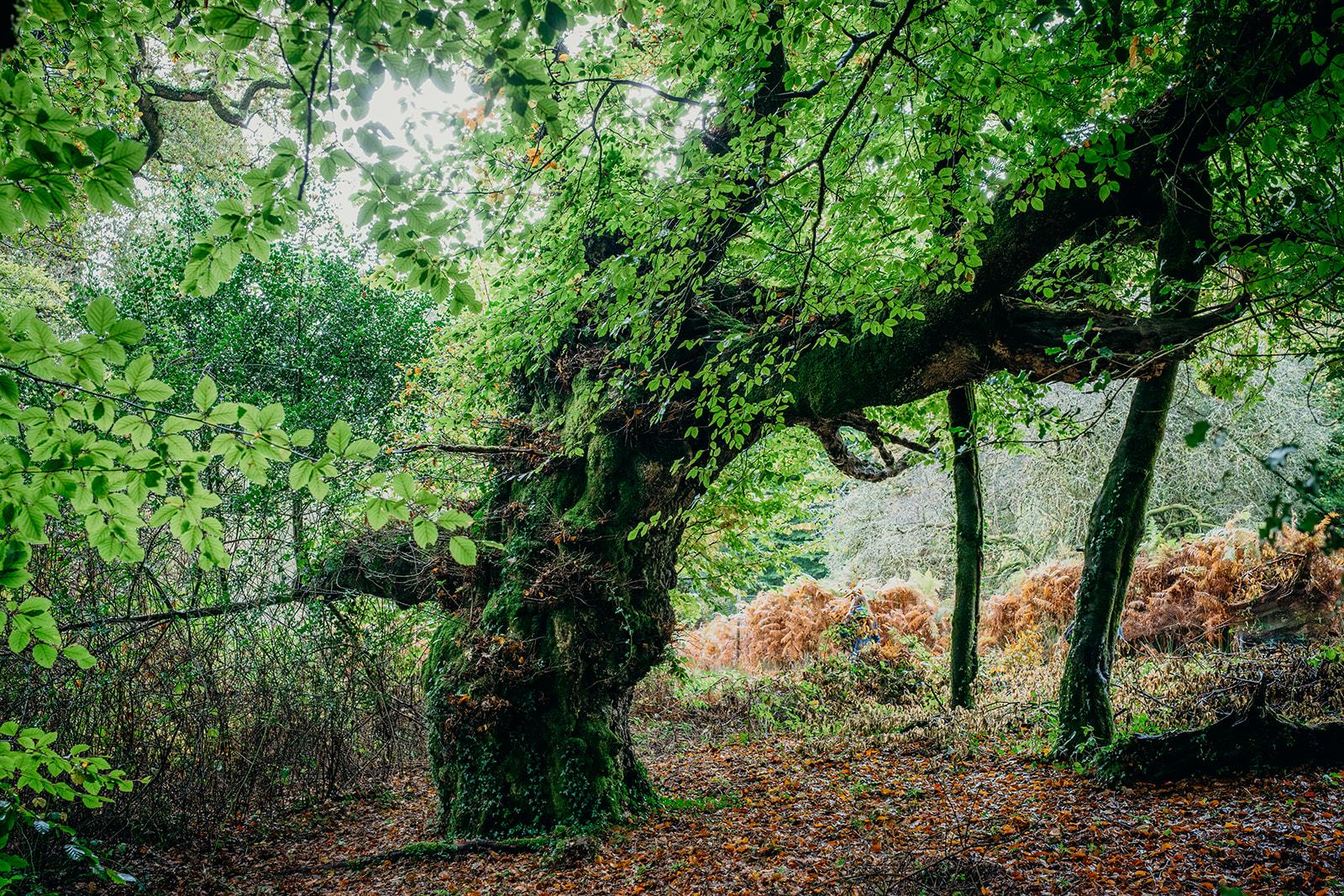
Boconnoc is the estate with the largest number of ancient trees recorded in the whole of Cornwall. (There are only a couple of other estates of comparable size that have yet to be recorded on the ancient tree inventory.) The Fowey valley is a special landscape with many sites of ancient trees near Boconnoc, such as Lanhydrock, Restormel Lethytep.
If readers are inspired to support woodland ecology at home or in their community, what simple actions can they take to help protect ancient and veteran trees?
If you have identified any trees that you suspect may be ancient or veteran trees with significant deadwood habitats, you can register and submit a record on the ancient tree inventory at The Woodland Trust. This will be checked by a verifier before it is shown publicly. The website has useful information on the characteristics of these special trees and how they might be classified. The Ancient Tree Forum is another great website to look at, it also offers free resources and professional training, as well as volunteer field trips nationwide.
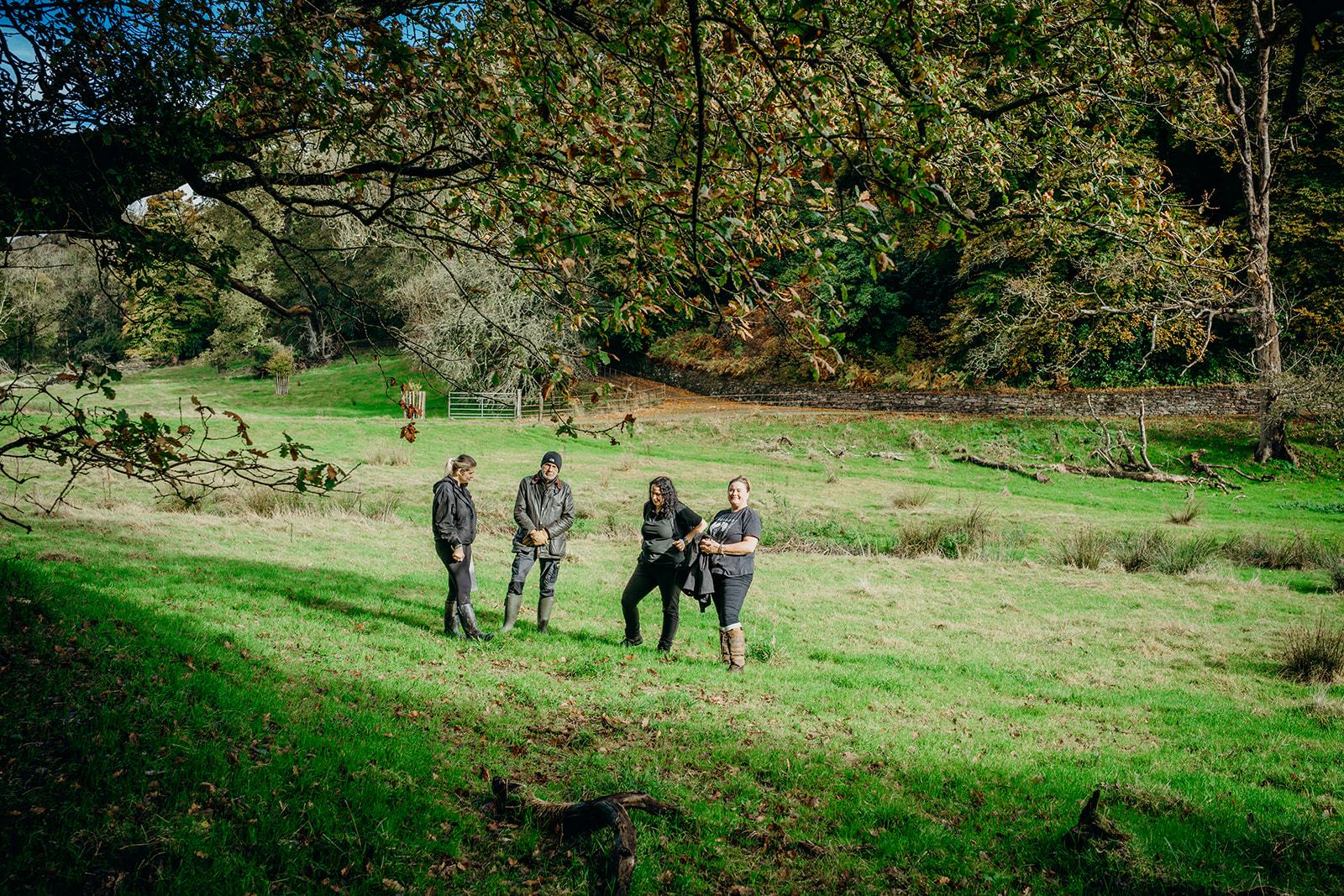
Our thanks go to Tim, as well as to Ted Green and Jill Butler, who founded the Ancient Tree Forum and have spent time bringing together tree experts and enthusiasts at Boconnoc. Many other organisations, experts and volunteers work alongside the Boconnoc estate team to care for these remarkable woodlands. Through shared knowledge, monitoring, and long-term stewardship, their collective efforts help protect Boconnoc’s ancient trees and the rich ecosystems they support, ensuring this special landscape continues to thrive for generations to come.