


Each spring, the Dorothy Garden tells a living botanical story, uniting centuries of landscape history with one of nature’s oldest and most spectacular trees.
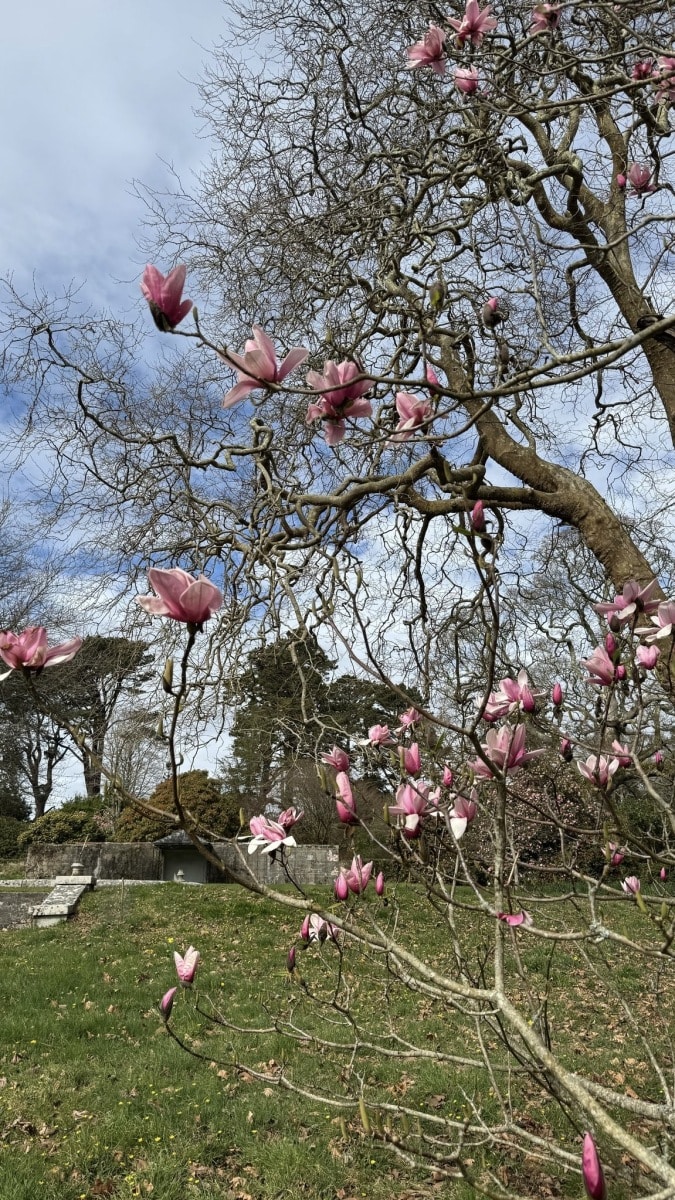
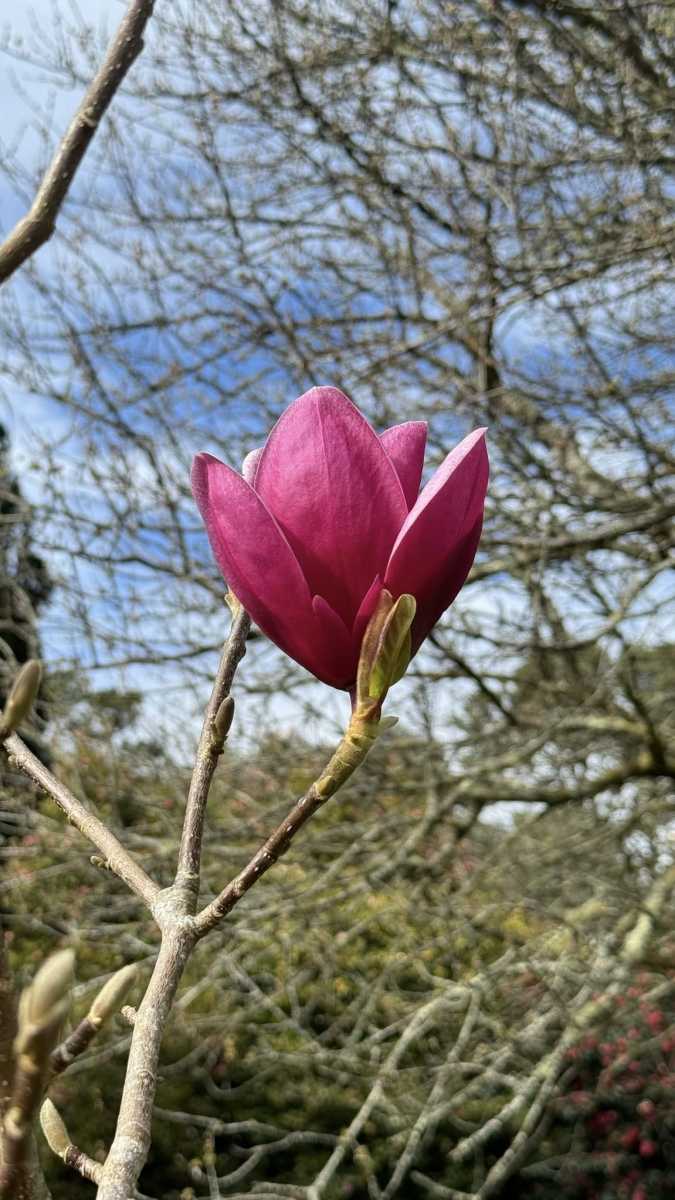
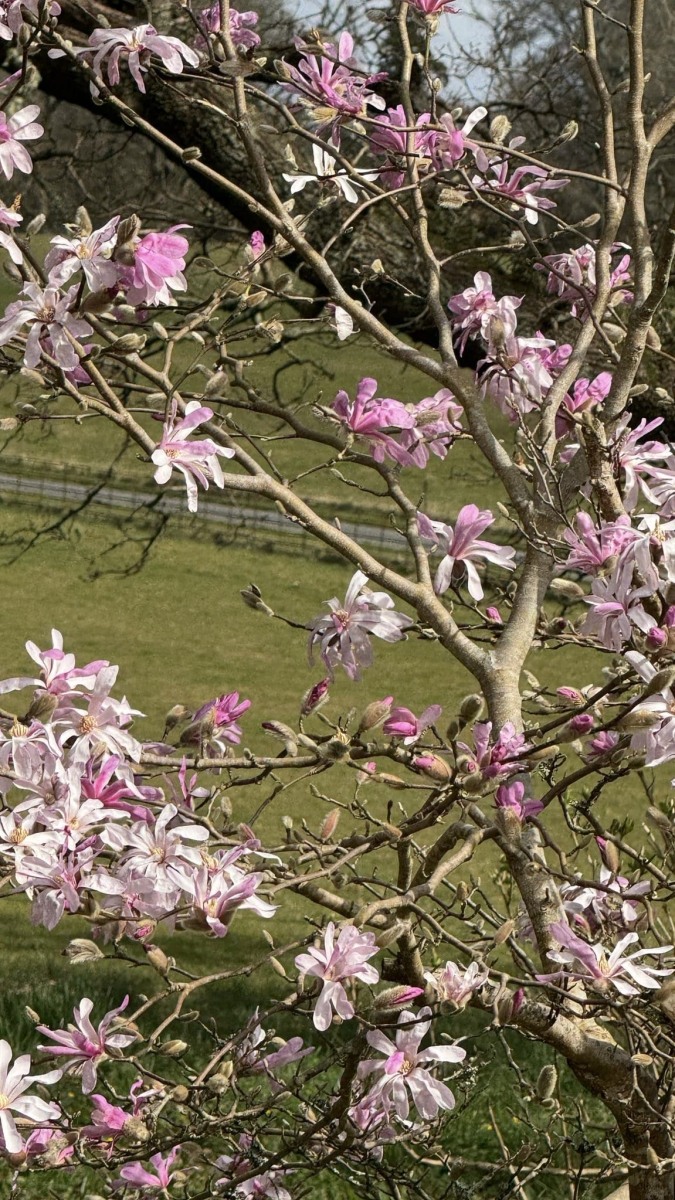
Boconnoc’s magnolia collection stands as one of the estate’s most admired seasonal features. Over 25 varieties, from elegant white blooms to vivid pinks and rare yellow hybrids, transform the Dorothy Garden into a vibrant showcase of one of nature’s oldest flowering families.
The Dorothy Garden: A Landscape Shaped by Time and Loving Cultivation
The Dorothy Garden has evolved over centuries, adapting to changing design styles through generations of careful cultivation.
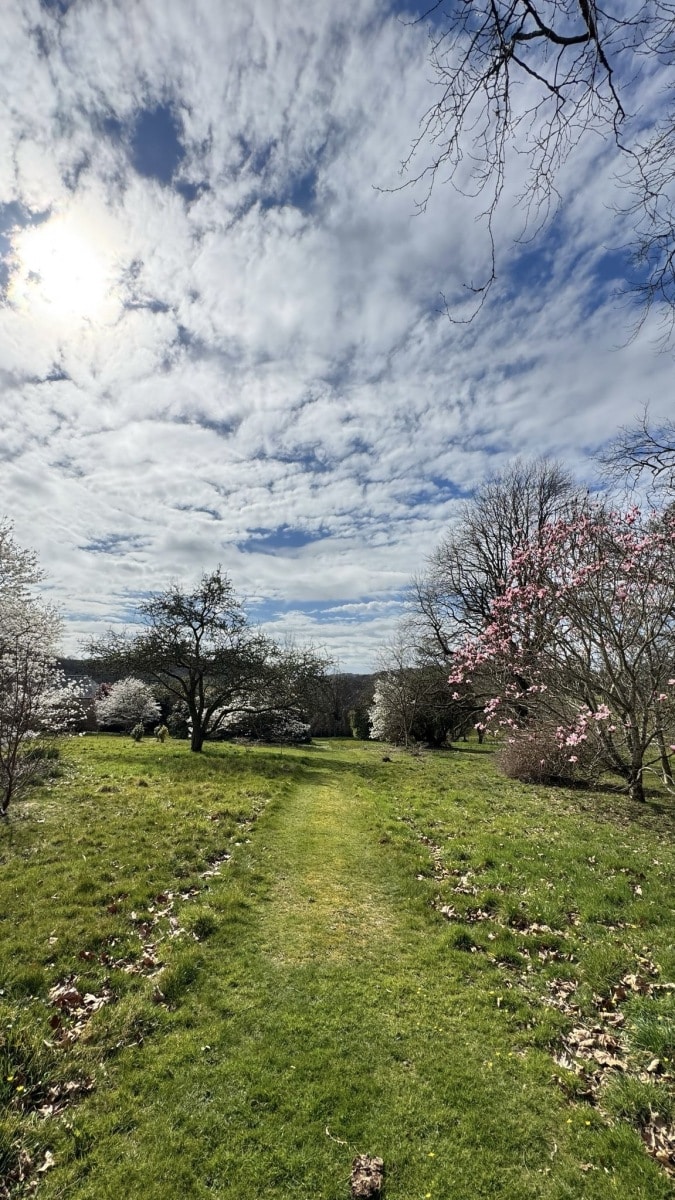
With sweeping lawns and carefully restored planting, Boconnoc’s historic landscape unfolds in layers with formal structure giving way to picturesque design. The Dorothy Garden started in a formal Baroque style. In the late 18th century, Thomas Pitt, 1st Lord Camelford, softened its structure with meandering paths and flowering shrubs called ‘sweets’.
Today, the Dorothy Garden retains the design recorded on an estate map from 1772. Once called the Shrubbery, it was renamed in the 20th century to honour Dorothy Fortescue, a passionate gardener. After 1808, Lord Grenville established a new Shrubbery to the garden’s north, planting towering pines and flowering shrubs.
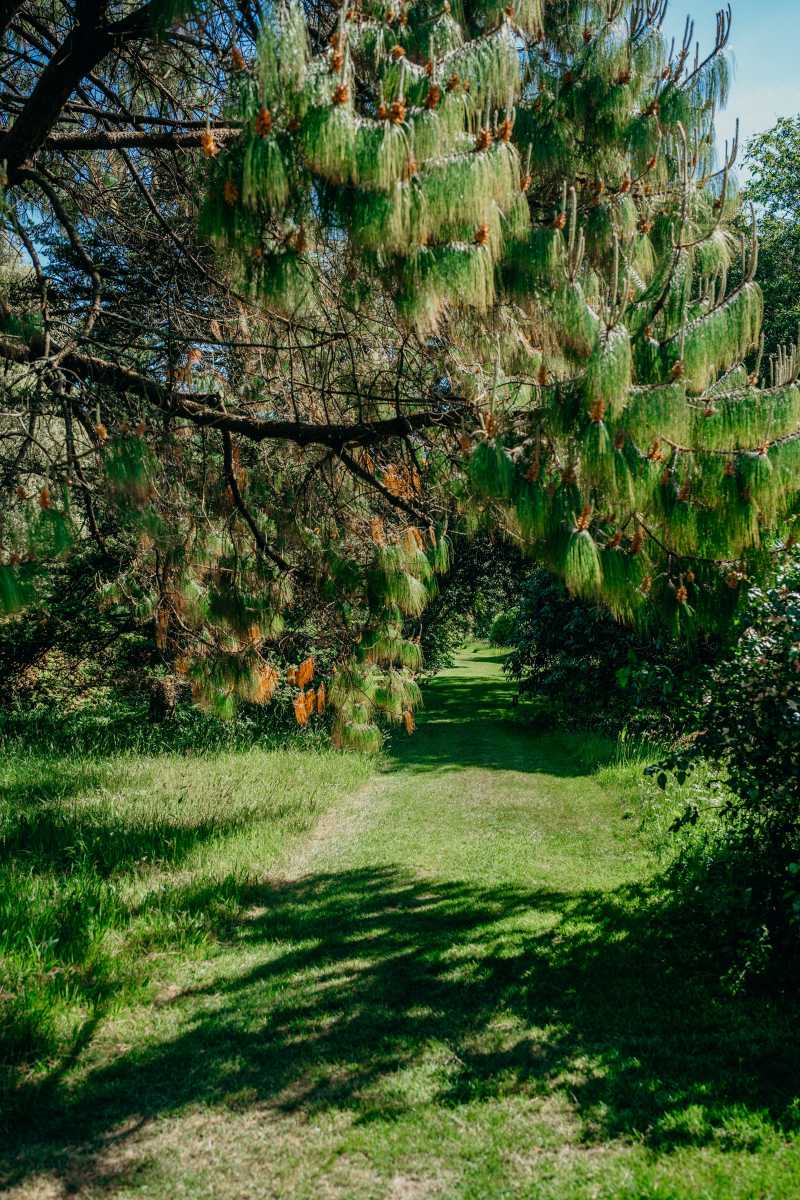
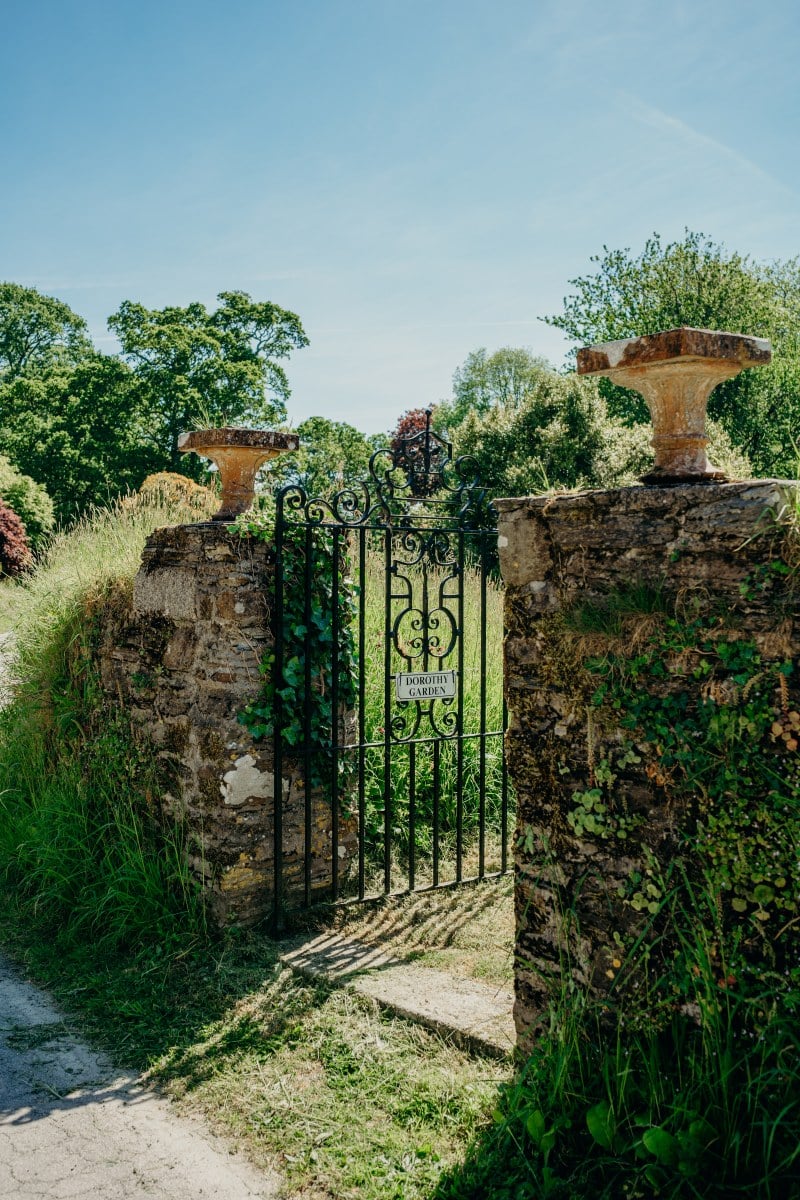
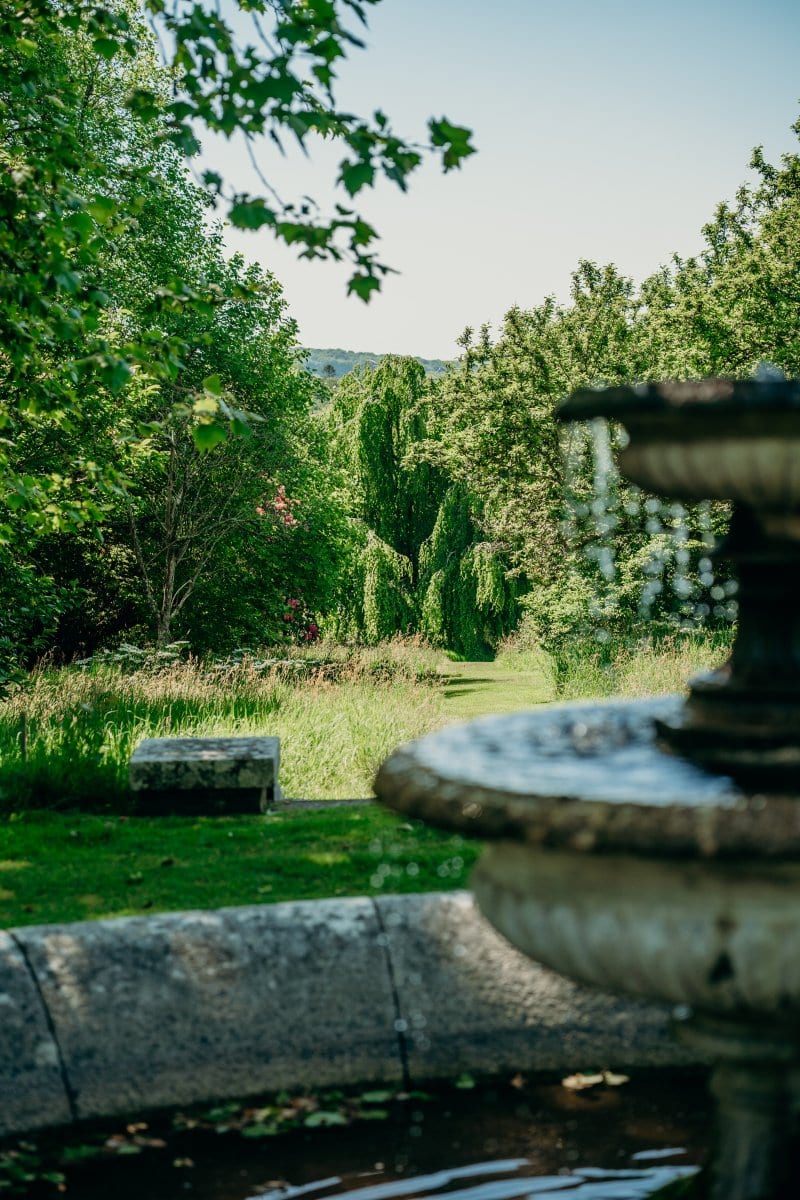
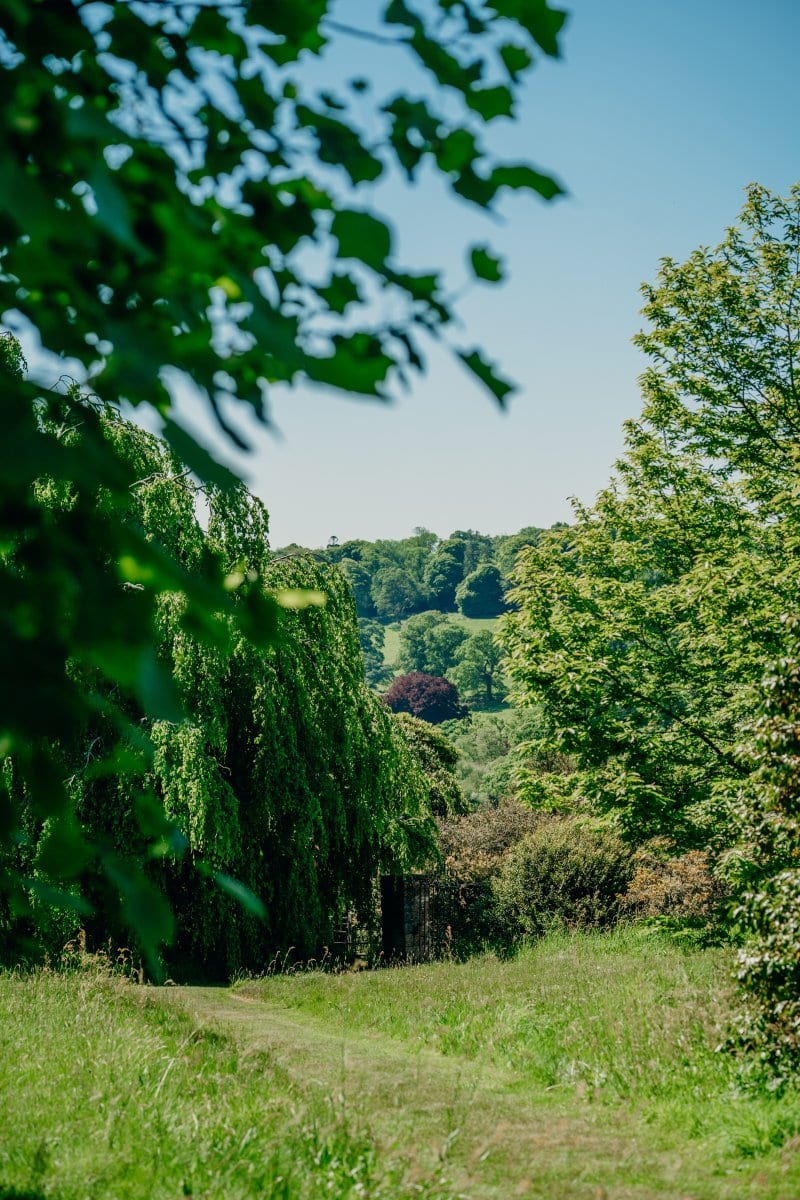
Today, the Dorothy Garden mixes historic formality and naturalistic planting, a cherry avenue, grass paths lined with long grass and wildflowers, and soft tree textures that add a dreamlike movement and intimacy.
But the garden’s most compelling story unfolds in magnolias, planted 20 years ago by Elizabeth and Anthony Fortescue with garden historian Min Wood.
Magnolias in the Dorothy Garden: A Living Study in Evolution and Hybridisation
Planted to showcase the diversity of this ancient flowering tree, the magnolia collection reveals a botanical story crossing continents, centuries, and careful cultivation. Magnolias are among the oldest flowering trees on earth. They evolved before winged insects and were originally pollinated by beetles. Their remarkable ability to hybridise has produced an astonishing diversity of colour and form. The Dorothy Garden was planted to showcase this story of evolution and cultivation.
More than 25 varieties now grow here. They are carefully grouped to illustrate their origins and relationships. Boconnoc’s approach has been educational and expressive. The intention is to show how today’s wide variety of magnolias has descended from a few parent species, rather than to rival larger collections in Cornwall.
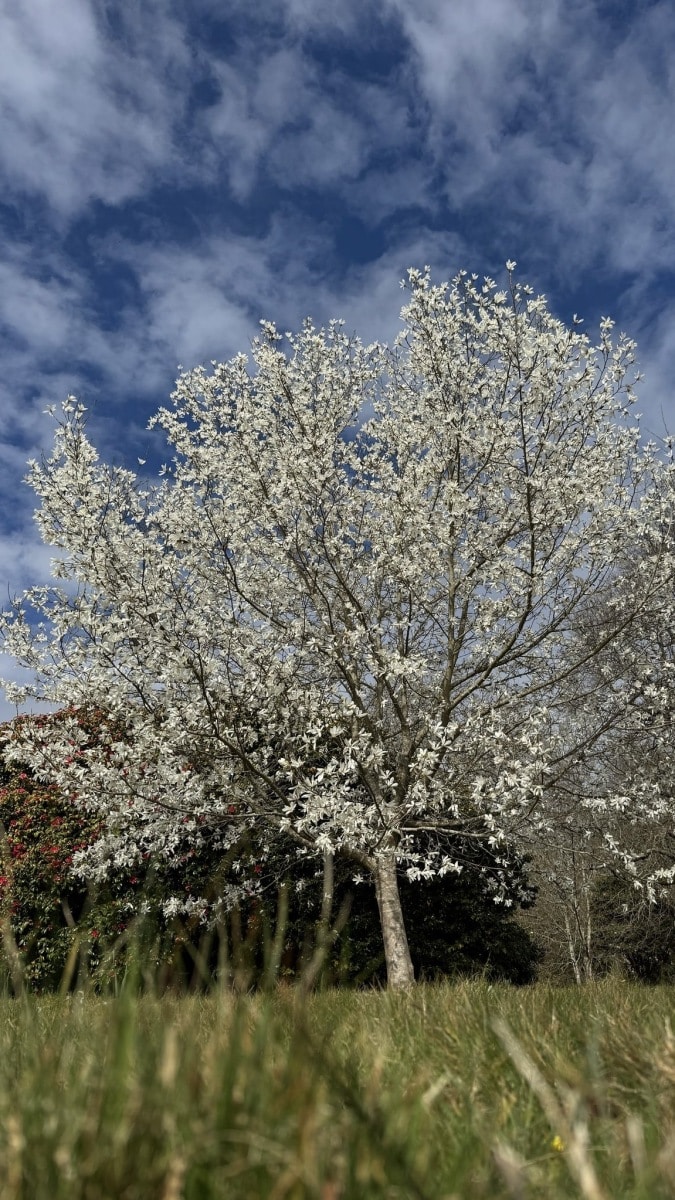
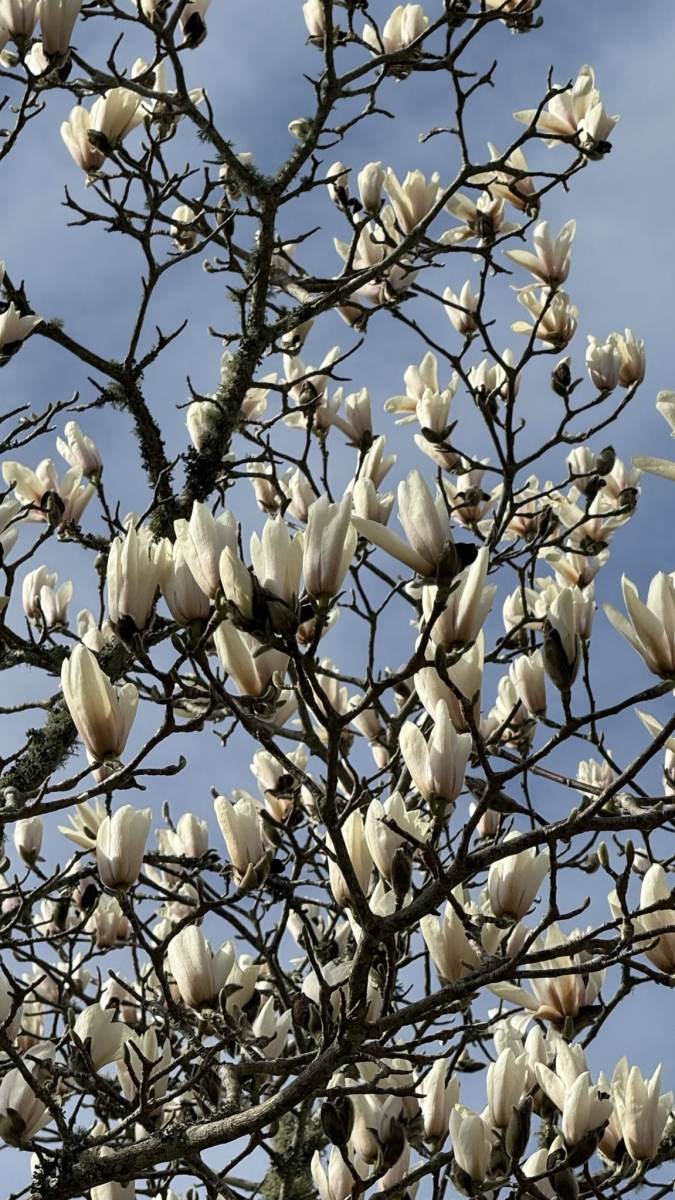
Entering from the south, visitors first encounter the salicifolia types, with elegant white flowers carried on bare branches in early spring. Among them are x Proctoriana and Wada’s Memory, often described as one of the finest white magnolias, refined, luminous and queenly in form.

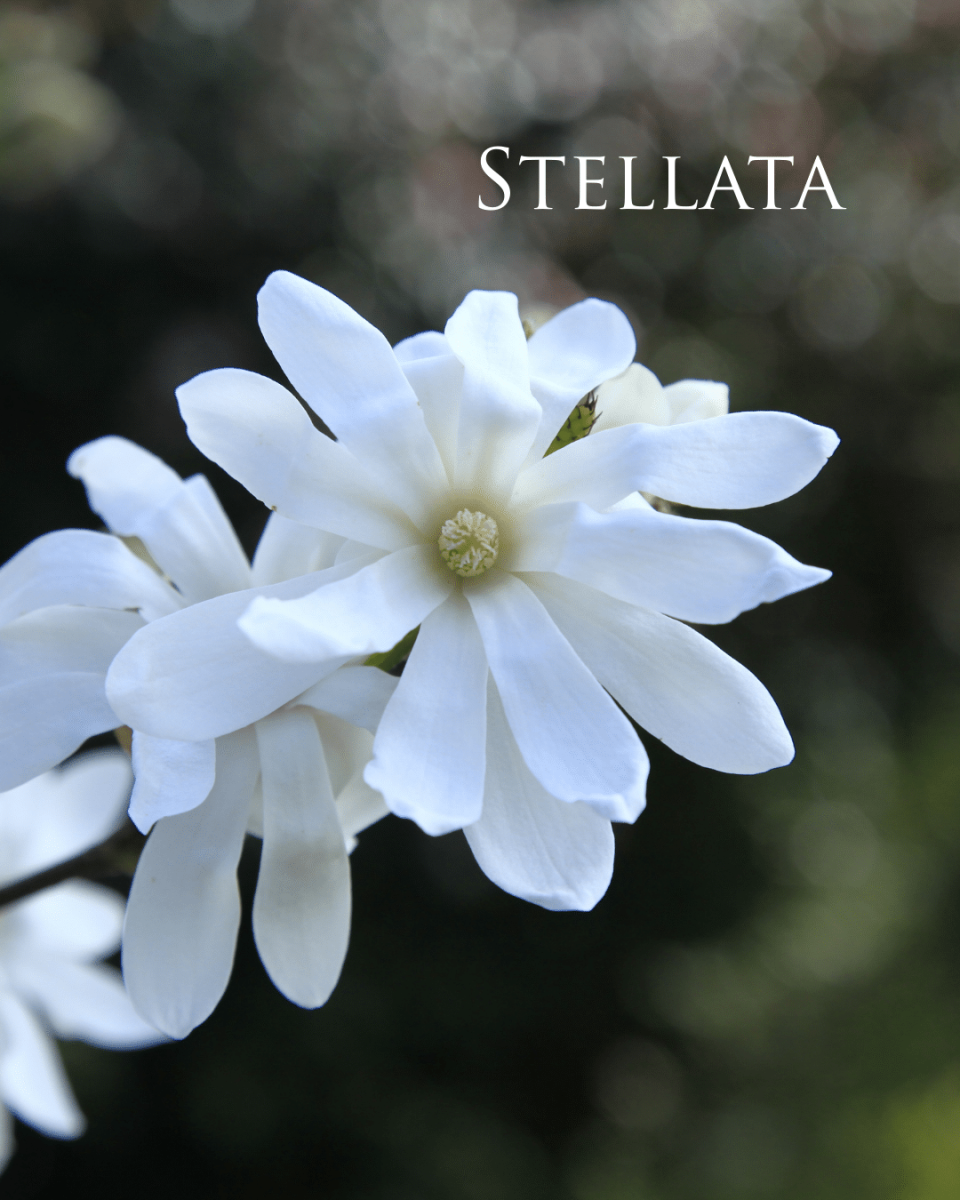
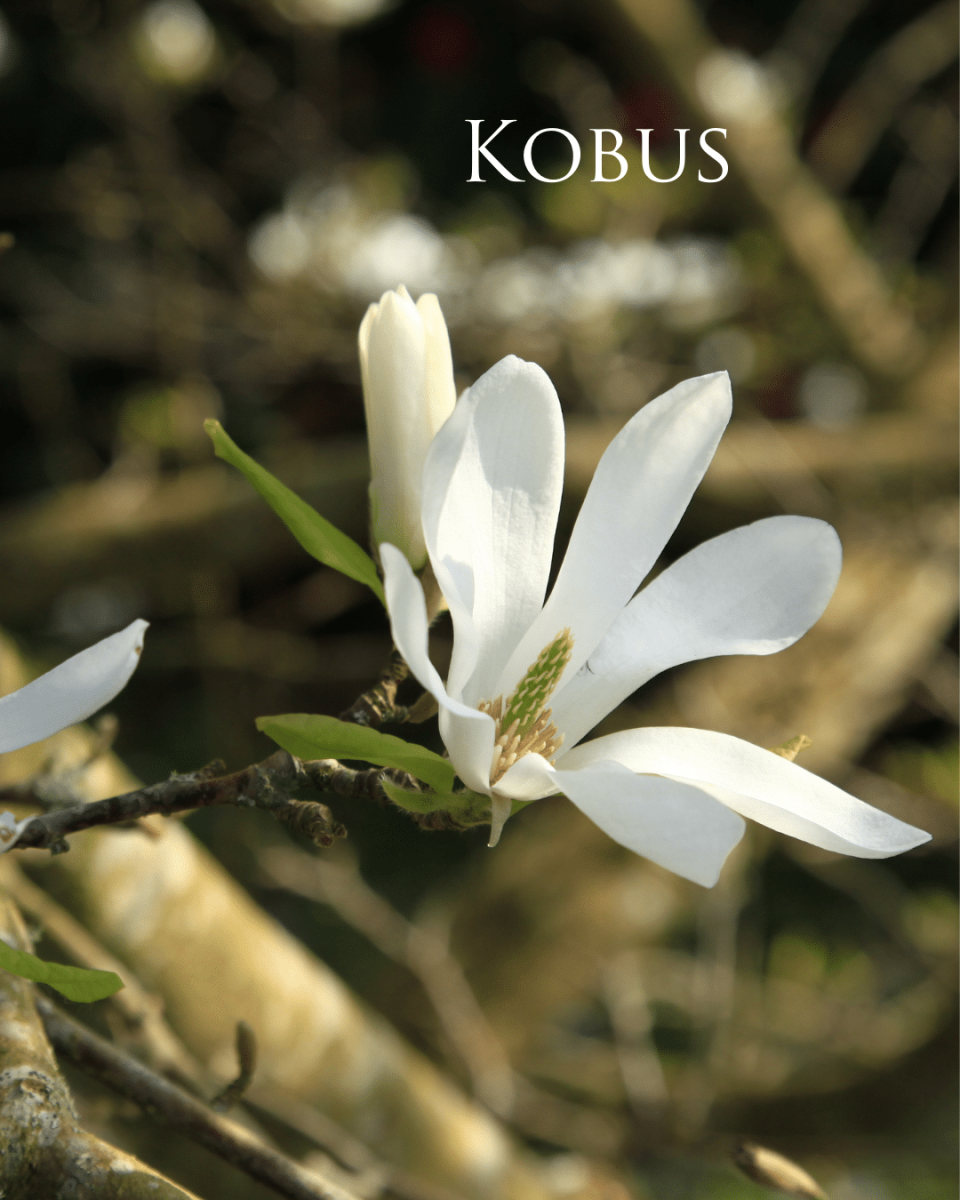
Further along are the Loebneri hybrids, created from Magnolia kobus and Magnolia stellata. Kobus brings stature and strength. Stellata offers delicacy and star-shaped flowers. Their union yields trees that are robust yet graceful. Leonard Messel shows soft pink tones; Merrill, pure white. Despite the shared parentage, the hybrids show striking variation.
New Zealand-bred magnolias introduce drama and scale with enormous petals and rich colouring. Their early flowering, however, makes them vulnerable to frost. Their thick bark also attracts rabbits, so young trees require careful protection.
Along the northern boundary are the American ‘Girls’ hybrids. Many were developed at the Arnold Arboretum. Crossing Magnolia stellata with the dark purple Magnolia liliflora produced vivid red and burgundy blooms. These trees are compact, resilient and ideal for modern gardens.
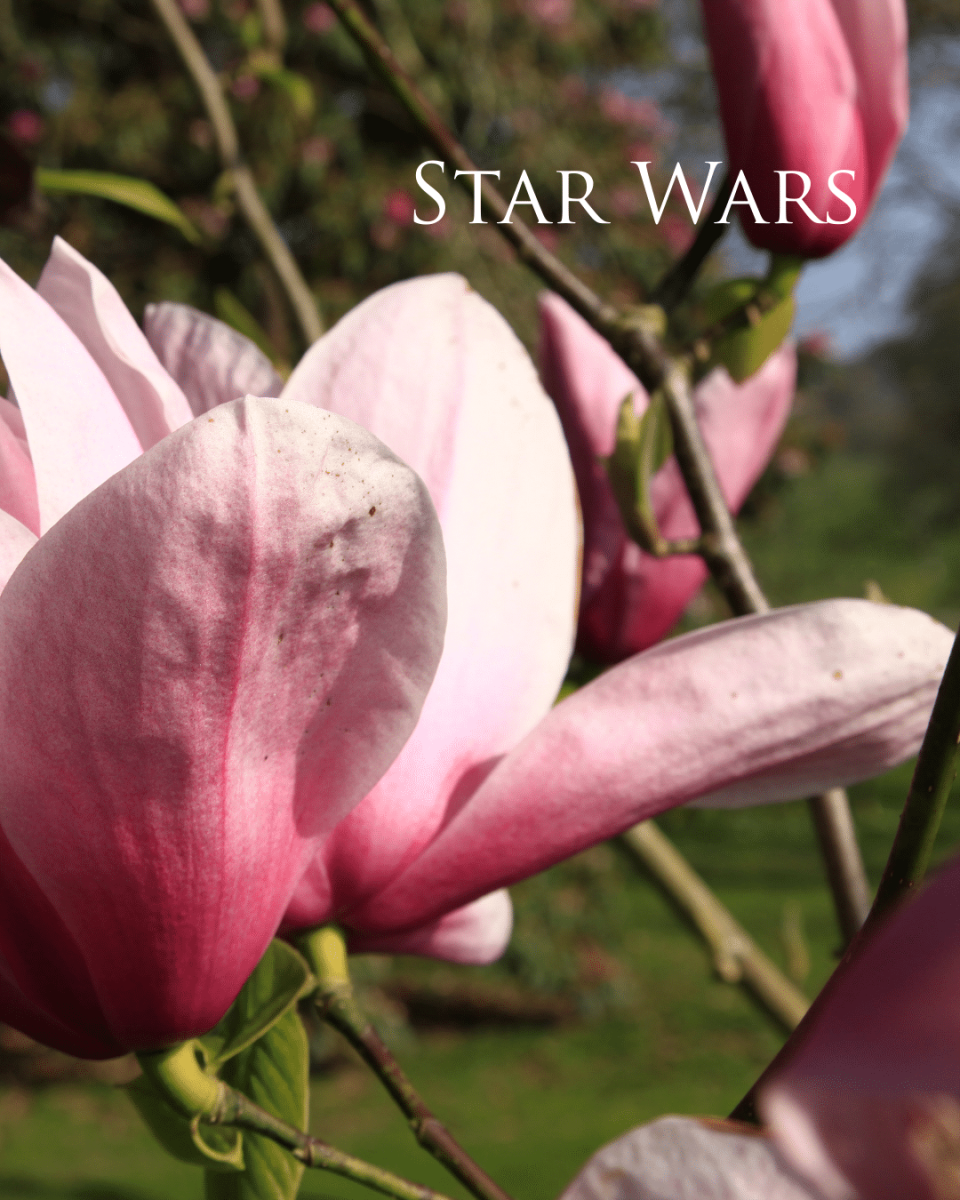
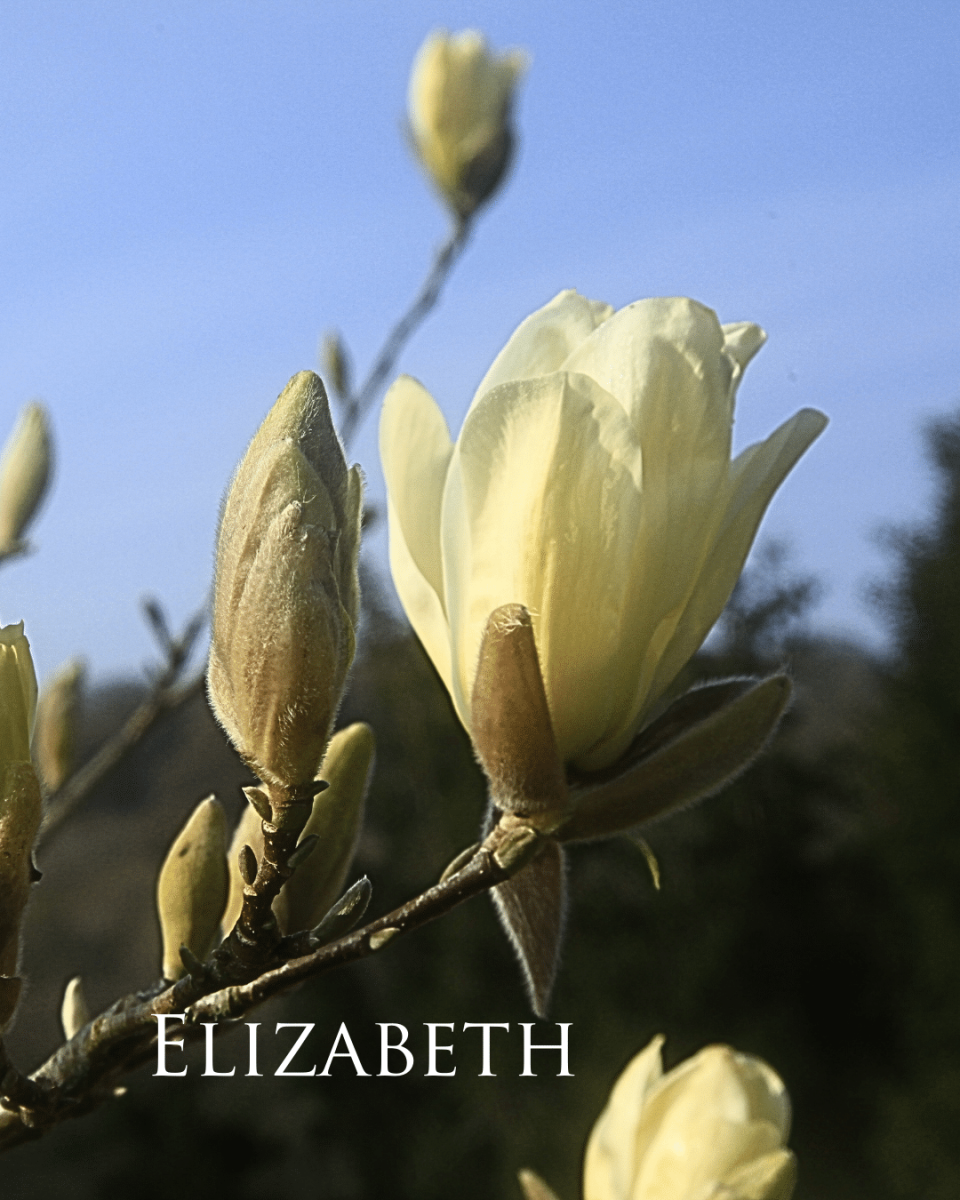
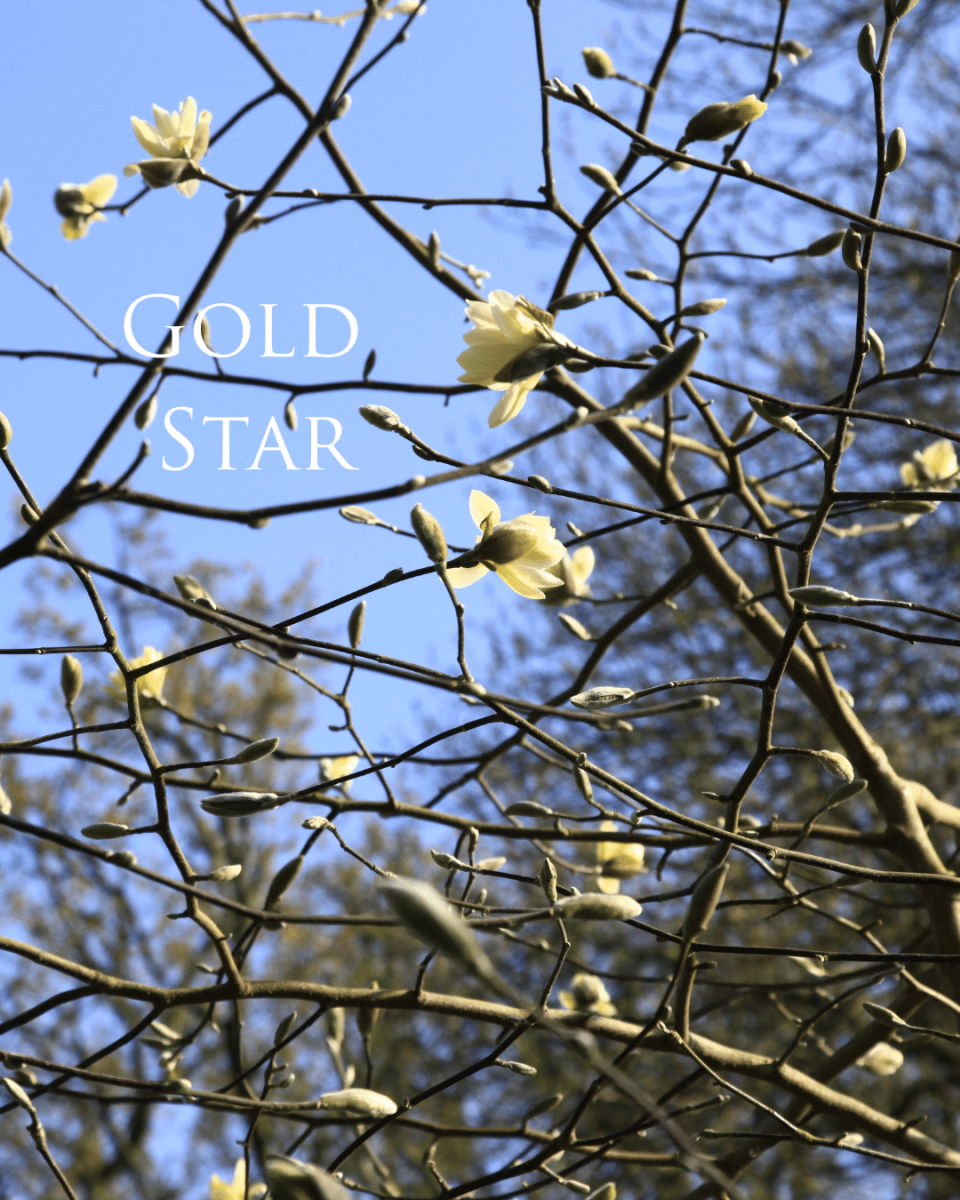
The yellow magnolias, with butter and primrose shades, result from a Sino-American alliance between Magnolia denudata and Magnolia acuminata. Gold Star forms a rounded tree, while Elizabeth and Star Wars grow tall and vigorous, making a bold vertical impact each spring. Star Wars in particular commands attention. Early flowering, strong in habit and unapologetically bold, it stands as a testament to modern hybridisation.
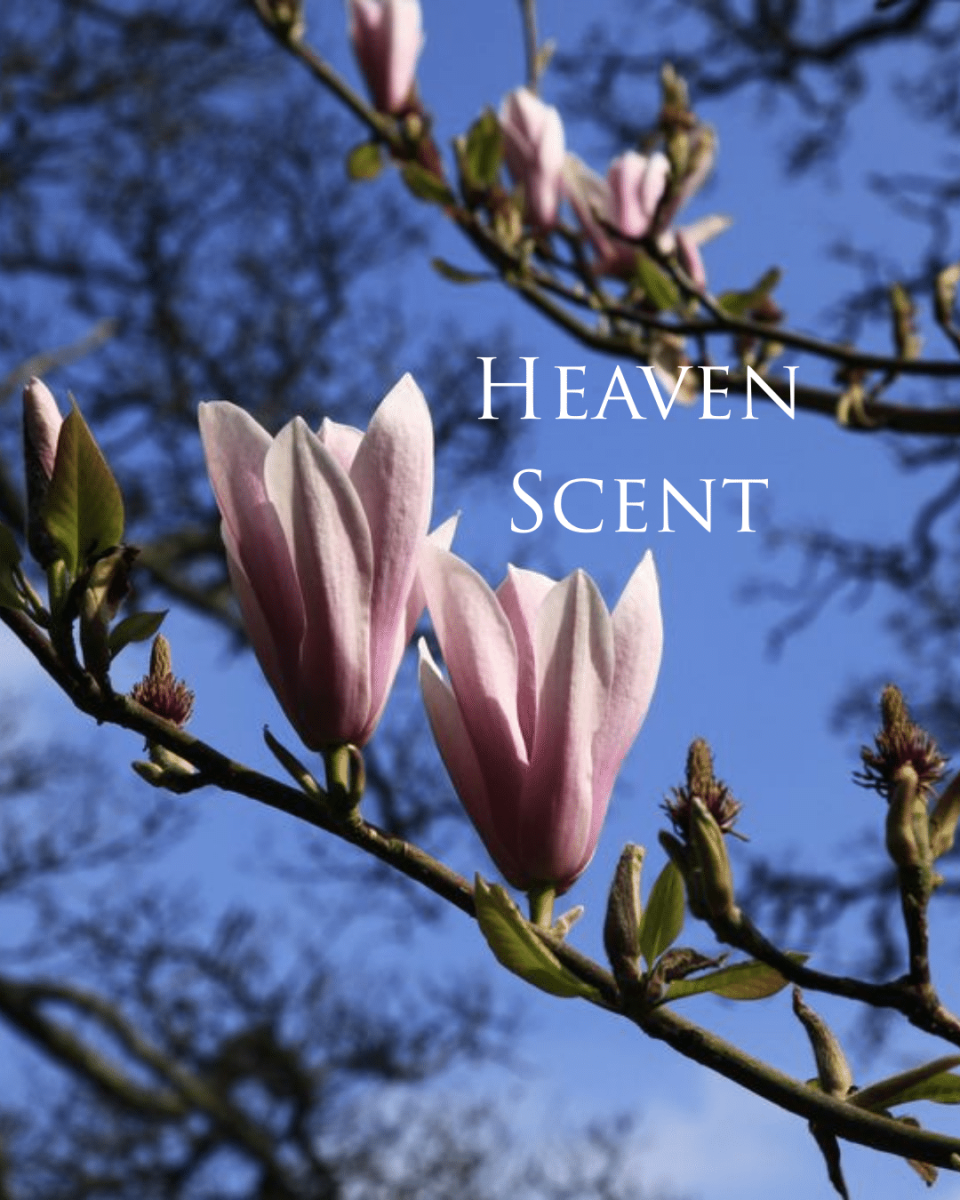
On the east side, M. soulangeana Alba and M. soulangeana Heaven Scent flourish. Both varieties were created by Étienne Soulange-Bodin, who won honours fighting for Napoleon before turning to botany.
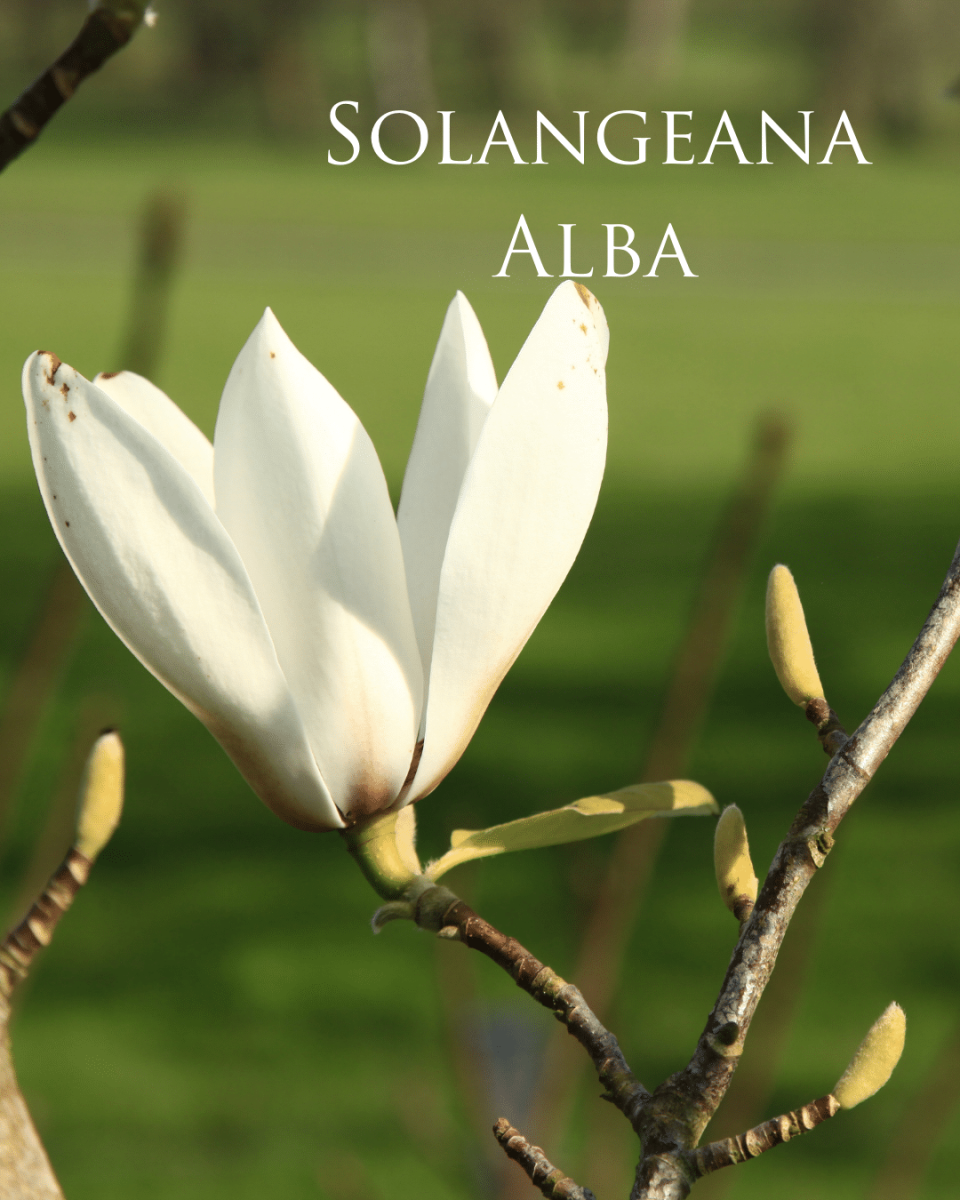
From February to June, magnolias flower in succession. White gives way to pink. Pink deepens to crimson. Yellows emerge as others fade. The sequence is always evolving.
Underplanting continues the story at ground level. Hamamelis and Corylopsis echo yellow tones beneath the hybrids. White rhododendrons lighten shaded corners. Daphne, Viburnum carlesii and Philadelphus add fragrance to the experience. The aim is beauty, botanical coherence, and layers that complement the magnolias above.
Visiting the Dorothy Garden in Spring
The Dorothy Garden will be open to visitors during magnolia season, offering a rare chance to experience this historic landscape as it awakens in spring. Boconnoc’s gardens and parkland are rarely open to the public in March, making the Spring Walks event on 15th March 2026 special. Visitors can explore marked trails, including the Dorothy Garden and Shrubbery, and enjoy refreshments in Boconnoc House.
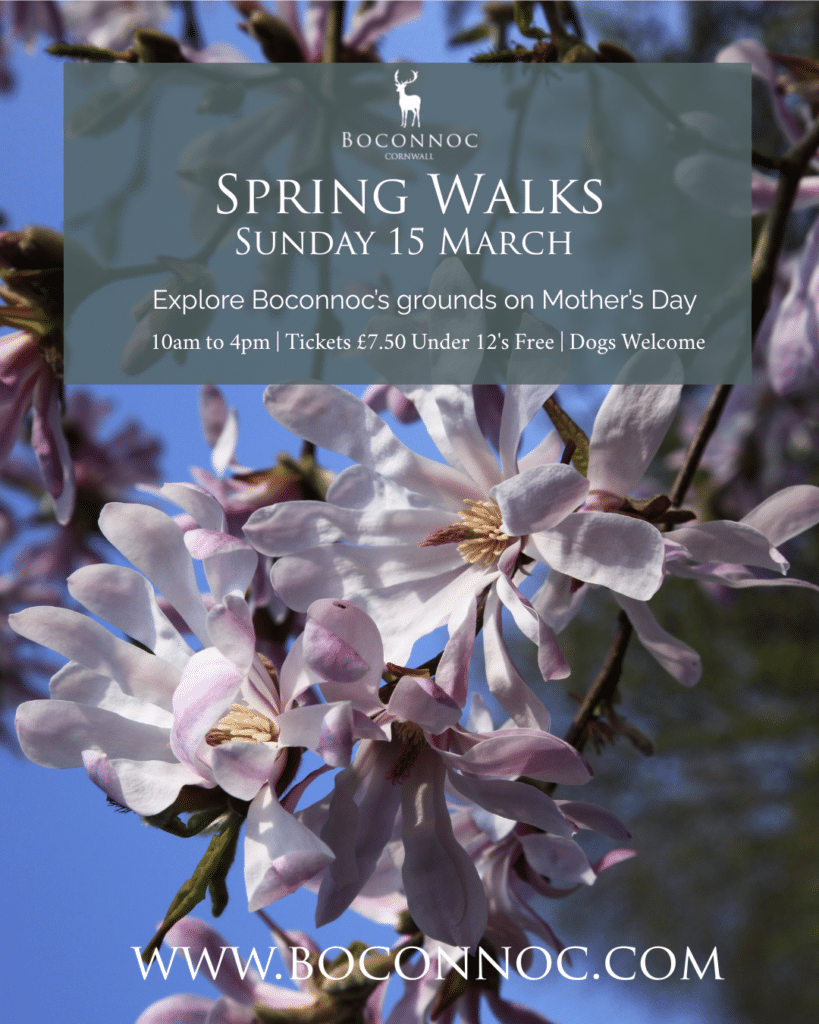
Date: Sunday, 15 March – Mother’s Day
Time: 10am to 4pm, last entry 3pm
Tickets: Adults: £7.50 Children under 12: Free
Parking and maps: Complimentary
Available for pre-order: Cream Tea for two: £15. Cream Tea for two with sparkling wine: £28 (use booking link below). If you have dietary requirements, please email [email protected].
Tickets can be bought on entry or in advance.
Click here to learn more about talking a Spring Walk at Boconnoc HERE